🤖 AI Summary
Reflect Orbital, 会社は4月に太陽光を地球に反射する大規模な鏡の衛星を使用する計画を持ち出しました。同社の若き創業者、ベン・ノワックによると、「夜間でもソーラーファームや工業地帯、さらには都市全体を昼間に照らすような光を提供したい」とのことです。
ノワックはそのサービスを主に開発途上国や街灯がまだない地域から開始し、最終的には主要な都市にも広げていきたいと語っています。彼はこの技術を数千年前の農業用水灌漑と比較し、「光が必要なときに提供したい」としています。
Reflect Orbitalは最初に50フィート四方の反射鏡衛星を打ち上げる計画で、今後はその3倍の大きさを目指しています。2035年には約5万台の衛星が地球周囲を回っているとの予想です。一方、埃Lng MuskのスペースXも100万枚の衛星を打ち上げることを計画しており、現行の衛星数の70倍に達する見込みです。
この企画は環境影響評価の対象外とされていますが、公開コメント期間は3月6日までとなっています。
A start-up called Reflect Orbital "proposes to use large, mirrored satellites to redirect sunlight to Earth at night," reports the Washington Post, "with plans to bathe solar farms, industrial sites and even entire cities in light that could, if desired, reach the intensity of daylight...."
Slashdot noted their idea in 2022 — but Reflect Orbital now expects to launch its first satellite in April, according to the article. "But its grand vision is largely 'aspirational,' as its young founder, Ben Nowack, told me..."
Reflect Orbital's Nowack describes a scene right out of sci-fi: An extremely bright star appears on the northern horizon and makes its way across the sky, illuminating a 5-kilometer circle on Earth, then setting on the southern horizon about five minutes later, just as another such "star" appears in the north. To make the night even brighter, a customer could make 10 "stars" appear at once in the north by ordering them on an app. Two such artificial stars are in development in Reflect Orbital's factory. Nowack showed them to me on a Zoom call. The first to launch is 50 feet across, but he plans later to build them three times that size. If all goes according to plan, he'll have 50,000 of them circling the Earth in 2035 at an altitude of around 400 miles.
Nowack plans to start selling the service "in mostly developing nations or places that don't have streetlights yet." Eventually, he thinks, he can illuminate major cities, turn solar fields and farms into round-the-clock operations for any business or municipality that pays for it. He likened his technology to the invention of crop irrigation thousands of years ago. "I see this as much the same thing," he said, arguing that people would no longer have to "wait for the sun to shine."
The article adds that Elon Musk's SpaceX "wants to launch as many as a million satellites to serve as orbiting data centers — 70 times the number of satellites now in orbit." (America's satellite-regulation Federal Communications Commission
grants a "categorical exclusion" from environmental review to satellites on the grounds that their operations "normally do not have significant effects on the human environment.")
The public comment periods for the two proposals close on March 6 and March 9.


Read more of this story at Slashdot.

 ログイン
ログイン


 2026年2月1日(日)から始まった位置情報ゲーム『ピクミン ブルーム』の長期イベント・バレンタインチョコ2026も、ついに本日(2/28)をもって閉幕。前回のリポートで、全8種類いる対象の限定デコピクミンがいまだコンプリートできていないと報告。残す3種...
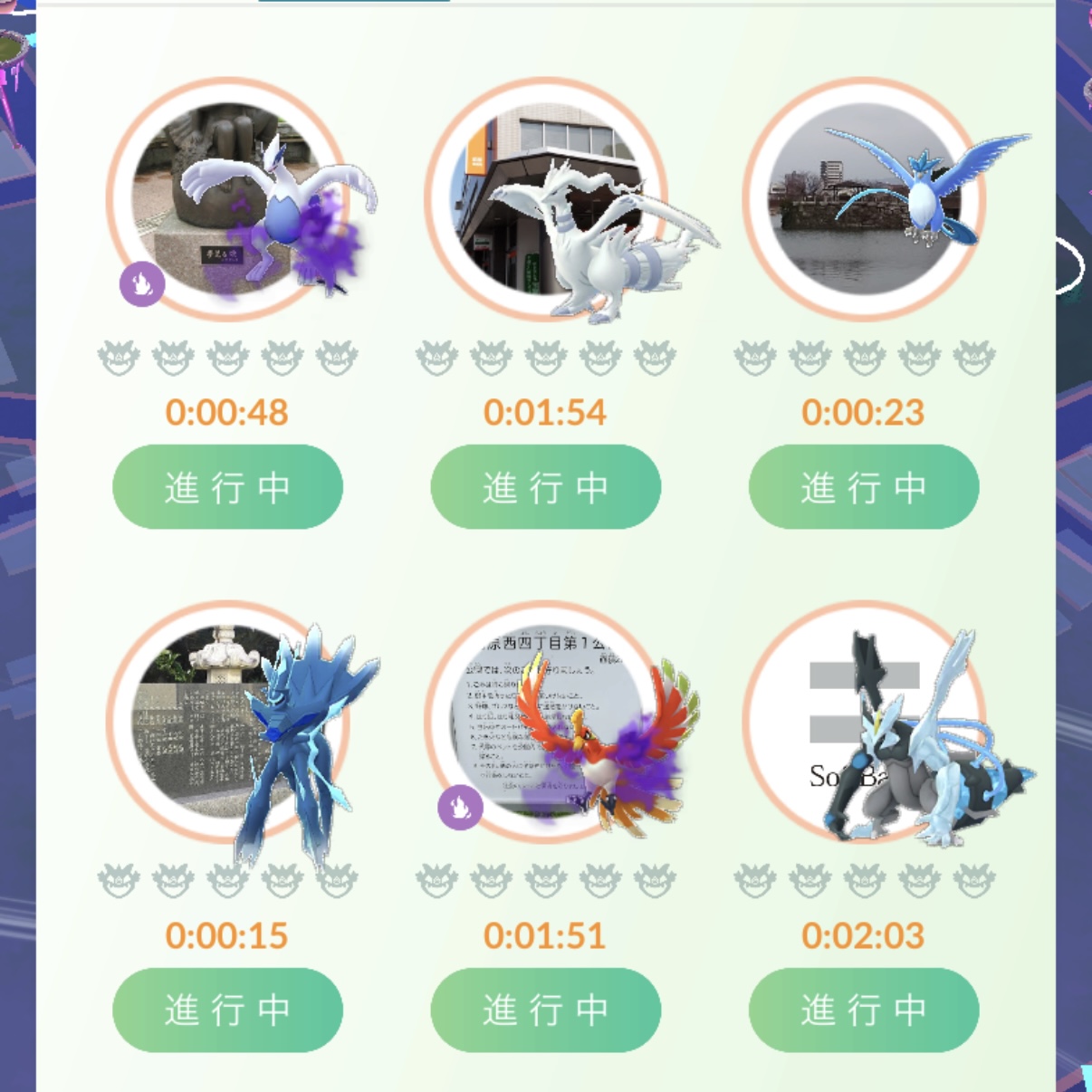 本記事で紹介した事象が発生したのは、2月28日に『ポケモンGO』で行われた大型イベント「Pokémon GO Tour:カロス地方–グローバル」の1日目が終了した18時過ぎのタイミング。あまりの出来事に、トレーナーたちが半ばパニックになっています。ゲンシ...