ログイン
ログイン
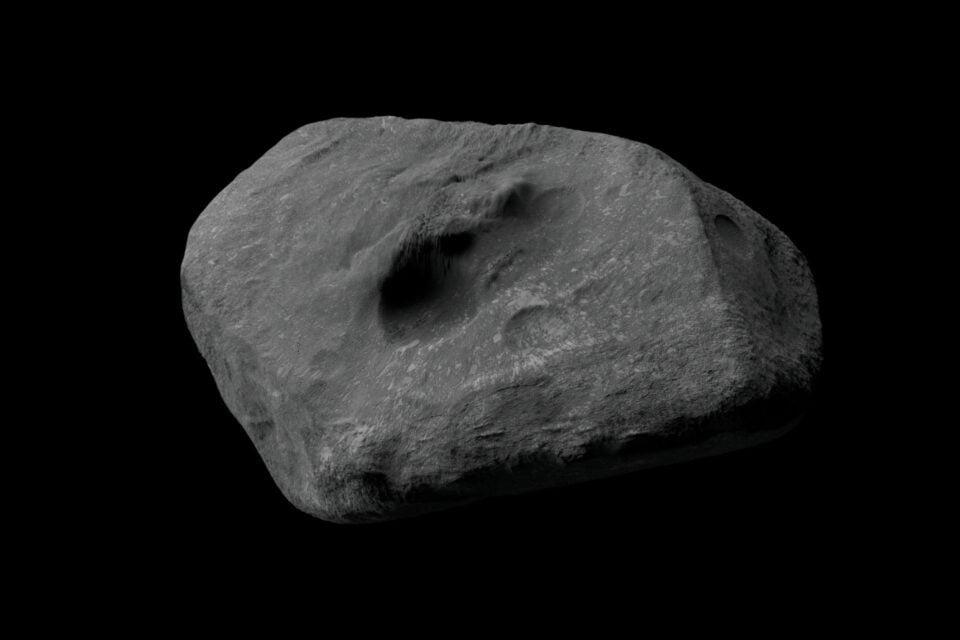
2032年、月に小惑星が直撃するかもしれない。その可能性4.3%
🤖 AI Summary
**要約(日本語)**
- **小惑星 2024 YR4 の衝突予測**
- 2024 YR4 は 2024 年に地球近傍で発見され、当初は地球衝突確率が約 3 % とされていたが、現在はほぼゼロと判断されている。
- しかし、同小惑星が 2032 年 12 月 22 日頃に月へ直接衝突する確率は **4.3 %** と推定されている。
- **衝突時のエネルギーと影響**
- 衝突エネルギーは約 **800 万トン TNT 相当** と見積もられ、観測史上最もエネルギーが大きい月面衝突になる可能性がある。
- 衝突直後は **等級 –2.5〜–3 の閃光** が数分間続き、肉眼でも確認できるほど明るくなる。
- その後数時間にわたり **赤外線の残光** が観測され、数日間にわたって **流星群** が発生すると予測されている。流星群は、月から放出された約 **1億 kg** の岩石が地球大気に再突入することで起こる。
- **研究とシミュレーション**
- カナダ・ウエスタン大学とアサバスカ大学の天文学者らが 1 万回以上の軌道シミュレーションを実施し、衝突地点や光度を算出。結果は arXiv に公開され、Astrophysical Journal Letters に掲載が受理された。
- 追加観測を行えば、衝突時期や落下地点の精度を高められると提言されている。
- **観測機会としての意義**
- 月面に新たなクレーターが形成される様子をリアルタイムで観測できるため、科学者にとっては貴重な実験・観測のチャンスとなる。
**結論**
2024 YR4 が月に衝突する確率は低いものの、4.3 % と無視できない。衝突が起これば、明るい閃光、赤外線残光、数日間の流星群といった目に見える現象が起き、さらに月面クレーター形成の直接観測が可能になる。今後の接近飛行時に追加観測を行い、衝突リスクと詳細情報をさらに精緻化することが求められる。
- **小惑星 2024 YR4 の衝突予測**
- 2024 YR4 は 2024 年に地球近傍で発見され、当初は地球衝突確率が約 3 % とされていたが、現在はほぼゼロと判断されている。
- しかし、同小惑星が 2032 年 12 月 22 日頃に月へ直接衝突する確率は **4.3 %** と推定されている。
- **衝突時のエネルギーと影響**
- 衝突エネルギーは約 **800 万トン TNT 相当** と見積もられ、観測史上最もエネルギーが大きい月面衝突になる可能性がある。
- 衝突直後は **等級 –2.5〜–3 の閃光** が数分間続き、肉眼でも確認できるほど明るくなる。
- その後数時間にわたり **赤外線の残光** が観測され、数日間にわたって **流星群** が発生すると予測されている。流星群は、月から放出された約 **1億 kg** の岩石が地球大気に再突入することで起こる。
- **研究とシミュレーション**
- カナダ・ウエスタン大学とアサバスカ大学の天文学者らが 1 万回以上の軌道シミュレーションを実施し、衝突地点や光度を算出。結果は arXiv に公開され、Astrophysical Journal Letters に掲載が受理された。
- 追加観測を行えば、衝突時期や落下地点の精度を高められると提言されている。
- **観測機会としての意義**
- 月面に新たなクレーターが形成される様子をリアルタイムで観測できるため、科学者にとっては貴重な実験・観測のチャンスとなる。
**結論**
2024 YR4 が月に衝突する確率は低いものの、4.3 % と無視できない。衝突が起これば、明るい閃光、赤外線残光、数日間の流星群といった目に見える現象が起き、さらに月面クレーター形成の直接観測が可能になる。今後の接近飛行時に追加観測を行い、衝突リスクと詳細情報をさらに精緻化することが求められる。