<略歴> 2003年 – 2007年3月 明治大学理工学部物理学科卒業
2007年 – 2008年9月 University of Edinburgh, College of medicine and veterinary medicine, School of Biomedical Science 卒業
2009年 – 2012年3月 早稲田大学大学院先進理工学研究科生命医科学専攻 博士後期課程修了 博士(理学)
A benzoquinone-based negative electrode and solid Nafion polymer electrolyte are used in this first-of-its-kind battery
Solid-state batteries use solid electrodes and solid electrolytes, unlike the more commonly known lithium-ion batteries, which use liquid electrolytes. Solid-state batteries overcome various challenges associated with liquid-based batteries, such as flammability, limited voltage, unstable reactants, and poor long-term cyclability and strength. Making advances in this field, researchers recently demonstrated an all-solid-state rechargeable air battery composed of a redox-active organic negative electrode and a proton-conductive polymer electrolyte.
[Image Title] All-solid-state rechargeable air battery with redox-active organic negative electrode. [Image Caption] The battery, which uses a polymeric dihydroxy-benzoquinone-based negative electrode and a Nafion-based solid electrolyte, exhibits high Coulombic efficiency and discharge capacity.
Metals are typically used as active materials for negative electrodes in batteries. Recently, redox-active organic molecules, such as quinone- and amine-based molecules, have been used as negative electrodes in rechargeable metal–air batteries with oxygen-reducing positive electrodes. Here, protons and hydroxide ions participate in the redox reactions. Such batteries exhibit high performance, close to the maximum capacity that is theoretically possible. Furthermore, using redox-active organic molecules in rechargeable air batteries overcomes problems associated with metals, including the formation of structures called ‘dendrites,’ which impact battery performance, and have negative environmental impact. However, these batteries use liquid electrolytes—just like metal-based batteries—which pose major safety concerns like high electrical resistance, leaching effects, and flammability.
Now, in a new study published in Angewandte Chemie International Edition on May 2, 2023, a group of Japanese researchers have developed an all-solid-state rechargeable air battery (SSAB) and investigated its capacity and durability. The study was led by Professor Kenji Miyatake from Waseda University and the University of Yamanashi, and co-authored by Professor Kenichi Oyaizu from Waseda University.
The researchers chose a chemical called 2,5-dihydroxy-1,4-benzoquinone (DHBQ) and its polymer poly(2,5-dihydroxy-1,4-benzoquinone-3,6-methylene) (PDBM) as active materials for the negative electrode due to their stable and reversible redox reactions in acidic conditions. In addition, they utilized a proton-conductive polymer called Nafion as the solid electrolyte, thereby replacing conventional liquid electrolytes. “To the best of my knowledge, no air batteries based on organic electrodes and solid polymer electrolyte have been developed yet,” says Miyatake.
After the SSAB was in place, the researchers experimentally assessed its charge–discharge performance, rate characteristics, and cyclability. They found that unlike typical air batteries that use a metallic negative electrode and an organic liquid electrolyte, the SSAB did not deteriorate in the presence of water and oxygen. Furthermore, replacing the redox-active molecule DHBQ with its polymeric counterpart PDBM formed a better negative electrode. While the per gram-discharge capacity of the SSAB-DHBQ was 29.7 mAh, the corresponding value of the SSAB-PDBM was 176.1 mAh, at a constant current density of 1 mAcm-2.
The researchers also found that the coulombic efficiency of SSAB-PDBM was 84% at 4 C rate, which gradually decreased to 66% at 101 C rate. While the discharge capacity of SSAB-PDBM reduced to 44% after 30 cycles, by increasing the proton-conductive polymer content of the negative electrode, the researchers could significantly improve it to 78%. Electron microscopic images confirmed that the addition of Nafion improved the performance and durability of the PDBM-based electrode.
This study demonstrates the successful operation of an SSAB comprising redox-active organic molecules as the negative electrode, a proton-conductive polymer as the solid electrolyte, and an oxygen-reducing, diffusion type positive electrode. The researchers hope that it will pave the way for further advancements. “This technology can extend the battery life of small electronic gadgets such as smartphones and eventually contribute to realizing a carbon-free society,” concludes Miyatake.
1Clean Energy research Center, Fuel Cell Nanomaterials Center, University of Yamanashi 2Department of Applied Chemistry, Research Institute for Science and Engineering, Waseda University 3Center for Future Innovation (CFI) and Department of Applied Chemistry, Graduate School of Engineering, Osaka University
Funding Information
This work was partly supported by the Ministry of Education, Culture, Sports, Science and Technology (MEXT), Japan, through Grants-in-Aid for Scientific Research (18H05515, 23H02058), MEXT Program: Data Creation and Utilization Type Material Research and Development Project (JPMXP1122712807), and JKA promotion funds from AUTORACE.
About Waseda University
Located in the heart of Tokyo, Waseda University is a leading private research university that has long been dedicated to academic excellence, innovative research, and civic engagement at both the local and global levels since 1882. The University has produced many changemakers in its history, including nine prime ministers and many leaders in business, science and technology, literature, sports, and film. Waseda has strong collaborations with overseas research institutions and is committed to advancing cutting-edge research and developing leaders who can contribute to the resolution of complex, global social issues. The University has set a target of achieving a zero-carbon campus by 2032, in line with the Sustainable Development Goals (SDGs) adopted by the United Nations in 2015.
Kenji Miyatake received his Ph.D. degree in chemistry from Waseda University in 1996. He was a Japan Society for the Promotion of Science (JSPS) postdoctoral fellow at McGill University from 1999 to 2001. In 2001, he was offered an associate professor position at the Clean Energy Research Center at the University of Yamanashi, where he currently serves as a professor. He also holds a professor position in his alma mater since 2020. He is also a Fellow of the Royal Society of Chemistry.
[Image Title] A schematic representation of the simplified cell configuration and cell reactions of the dihydroxy-benzoquinone-based solid-state air battery. [Image Caption] Researchers have developed an all-solid-state rechargeable air battery with a dihydroxy-benzoquinone-based organic negative electrode and Nafion polymer electrolyte.
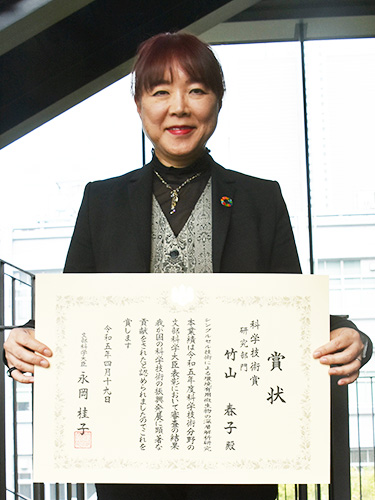
受賞コメント
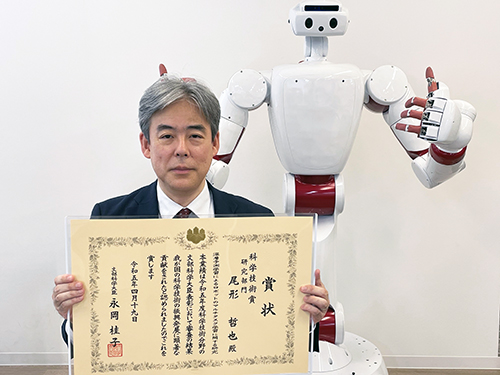
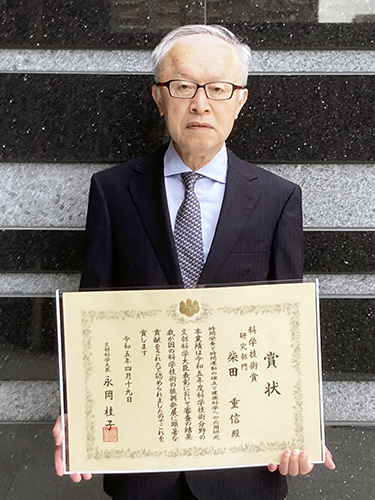
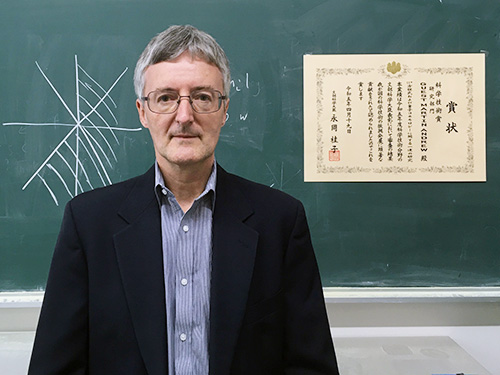
I am very honoured to receive the Science and Technology Award in the Research Category. It has been a great privilege for me to have worked as a professor in Japan for more than 20 years, and I deeply appreciate the kindness of my friends and colleagues here, which have made this possible. My research area is differential geometry, a subject which combines algebra and analysis with geometrical ideas. The problems we study are often related to theoretical physics – quantum theory, string theory, mirror symmetry, and so on. Building the mathematical foundations of this area in the 21st century is a huge task, and one that is truly international. Until the 19th century, mathematics was regarded as a subject for brilliant young men (mostly European). In the 21st century the subject is too broad for any one man; everyone is needed: young and old, men and women, black and white, from every country. I would like to express my sincere gratitude for the opportunities I have received to take part in this endeavour.
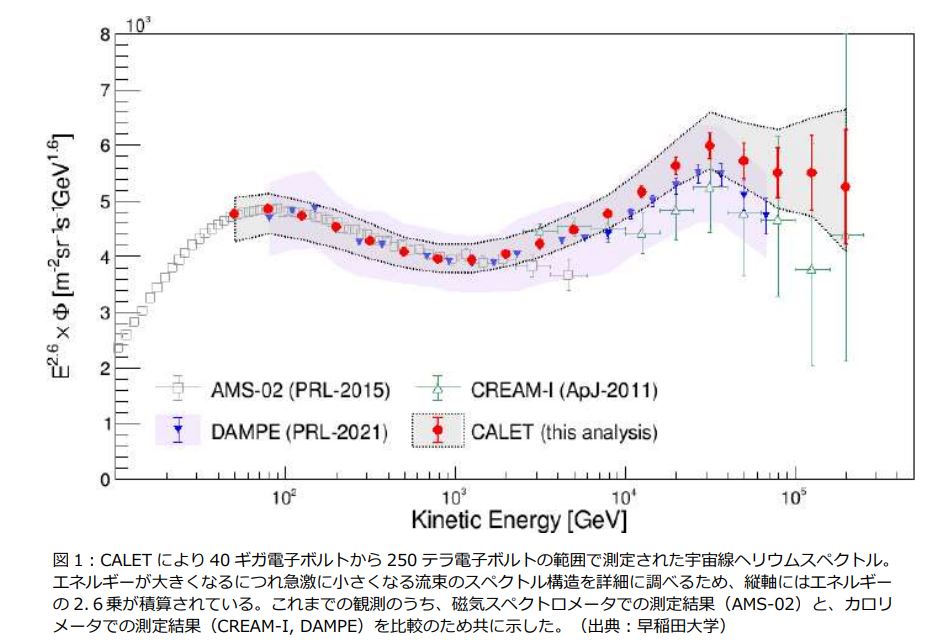
早稲田大学理工学術院総合研究所主任研究員 小林兼好(こばやしかずよし)、早稲田大学名誉教授・CALET代表研究者 鳥居祥二(とりいしょうじ)、シエナ大学研究員 Paolo Brogi、と宇宙航空研究開発機構(JAXA)及び国内他機関、イタリア、米国の国際共同研究グループ(以下、本研究グループ)は、国際宇宙ステーション(ISS)・「きぼう」の船外実験プラットフォームに搭載された宇宙線電子望遠鏡(以下、CALET*1:高エネルギー電子・ガンマ線観測装置)を用いて、銀河宇宙線*2のヘリウムのエネルギースペクトル*3を250テラ電子ボルトまで高精度に観測し、30テラ電子ボルト*4以上の領域でエネルギースペクトル軟化*5の兆候を観測しました。
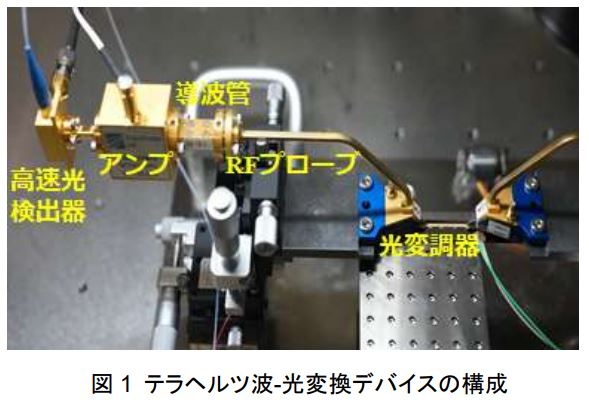
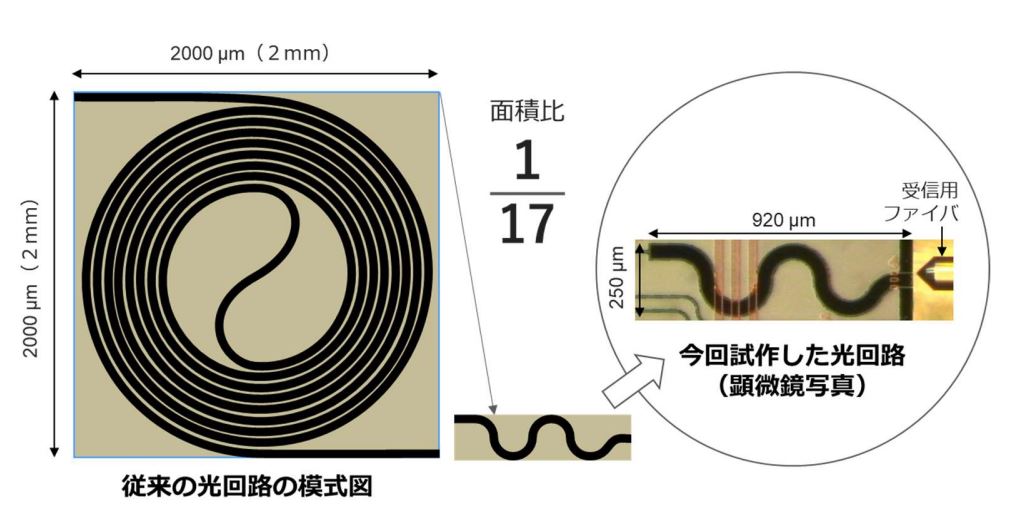
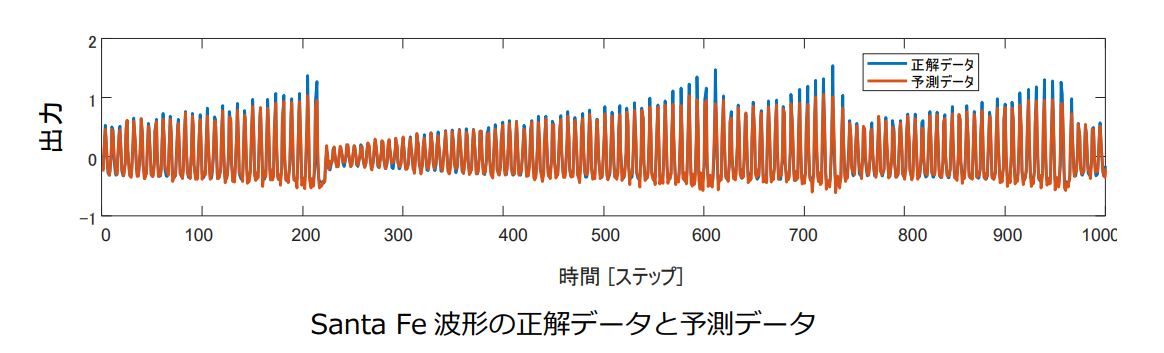
早稲田大学では、現在全学でカーボンニュートラル社会を目指した研究教育体制の構築に取り組んでいます。その中で、一層進展する高度情報化社会のための低消費電力大容量ネットワーク技術と並んでAIなどの高度情報処理技術の高速化・低消費電力化が不可欠と考えており、シリコンフォトニクス集積回路(SiPIC: Si Photonic Integrated Circuits)を用いた光信号処理デバイス技術の検討と実証を目指しています。
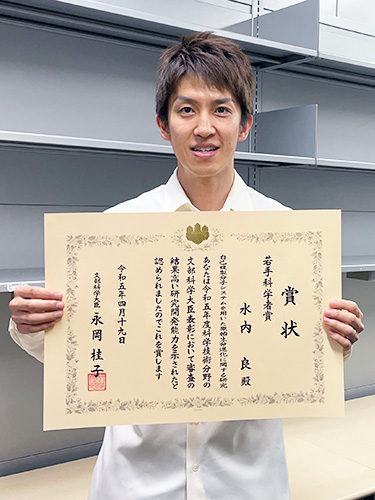
2023年4月1日より本学に着任した理工学術院 先進理工学部 電気・情報生命工学科の水内良 専任講師らの論文が、2022年にNature Communications誌に掲載された生命・生物科学分野の論文のうち、もっともダウンロードされた25報である「Top 25 Life and Biological Sciences Articles of 2022」に選ばれました。生命・生物科学分野(Life and Biological Sciences)は、Nature Communications誌が設定した7つの分野:Health Sciences、SARS-CoV-2、Life and Biological Sciences、Social Sciences and Human Behaviour、Chemistry and Materials Sciences、Earth, Environmental, and Planetary Sciences、Physicsのうちのひとつになります。
Novel, Highly Sensitive Biosensor Set to Transform Wearable Health Monitoring
Researchers from Japan have developed a new wearable biosensor that can detect extremely small changes in tear glucose and blood lactate levels
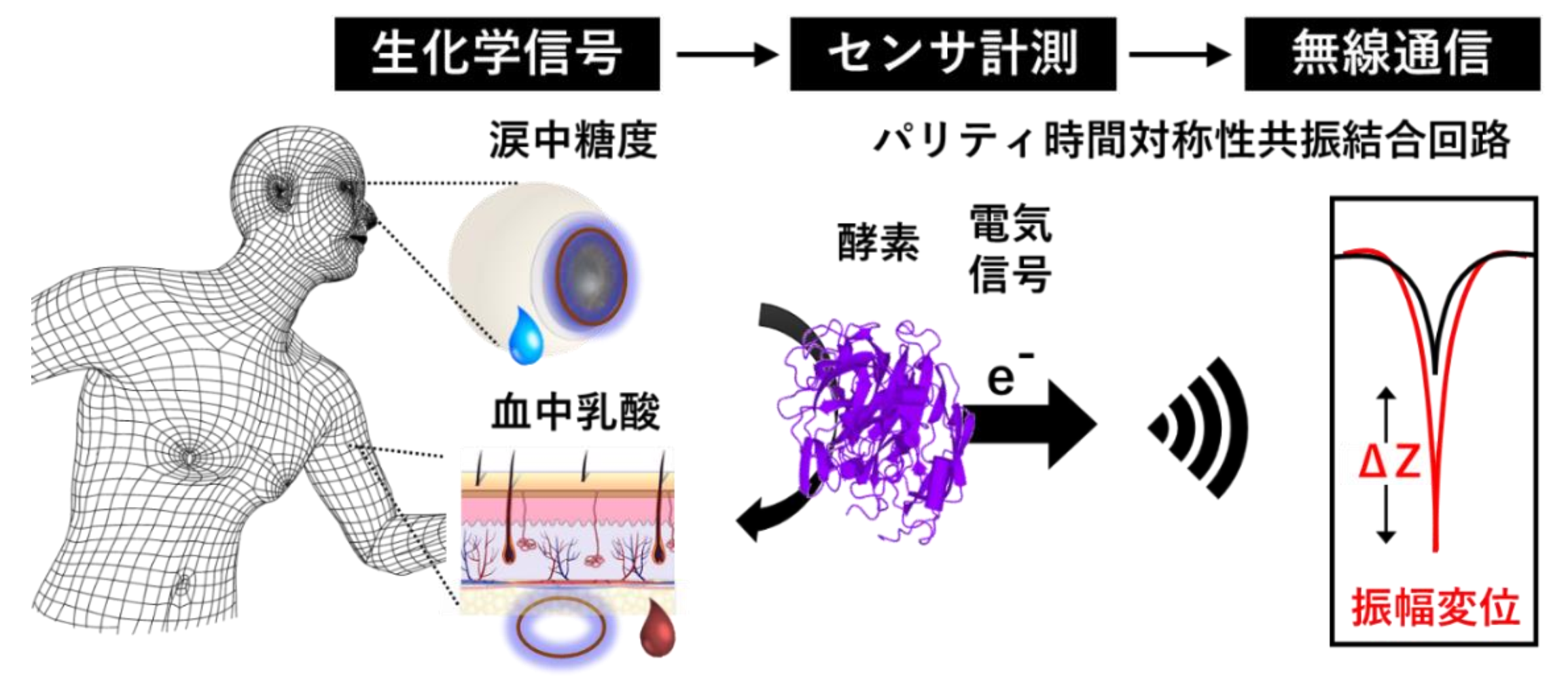
Wearable wireless biosensors are an integral part of digital healthcare and monitoring. Commonly used chipless resonant antenna-based biosensors are simple and affordable, but have limited applicability due to their low sensitivity. Now, researchers from Japan have developed a novel, wireless, parity–time symmetry-based bioresonator that can detect minute concentrations of tear glucose and blood lactate. This highly sensitive, tunable, and robust bioresonator has the potential to revolutionize personalized health monitoring and digitized healthcare systems.
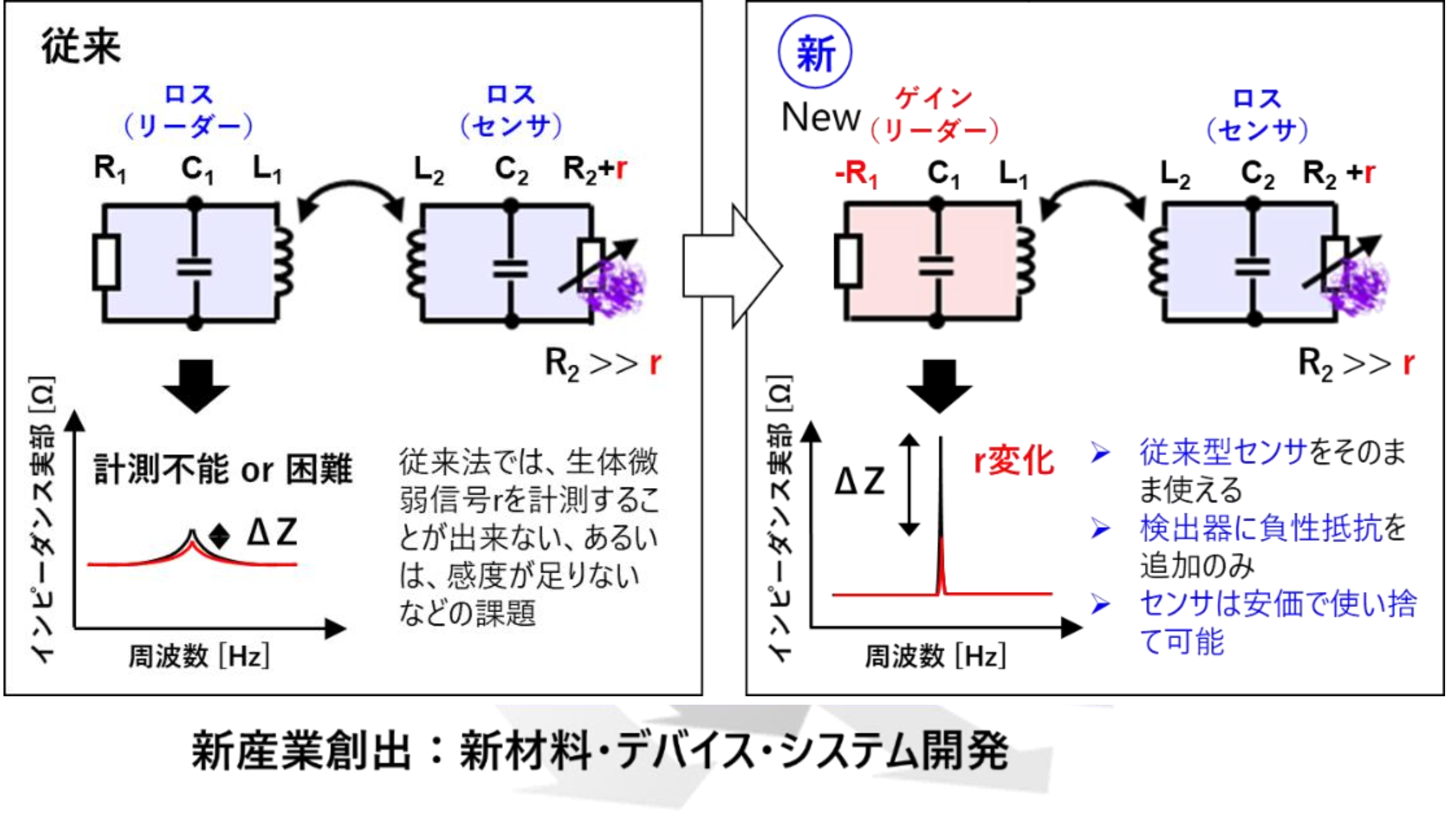
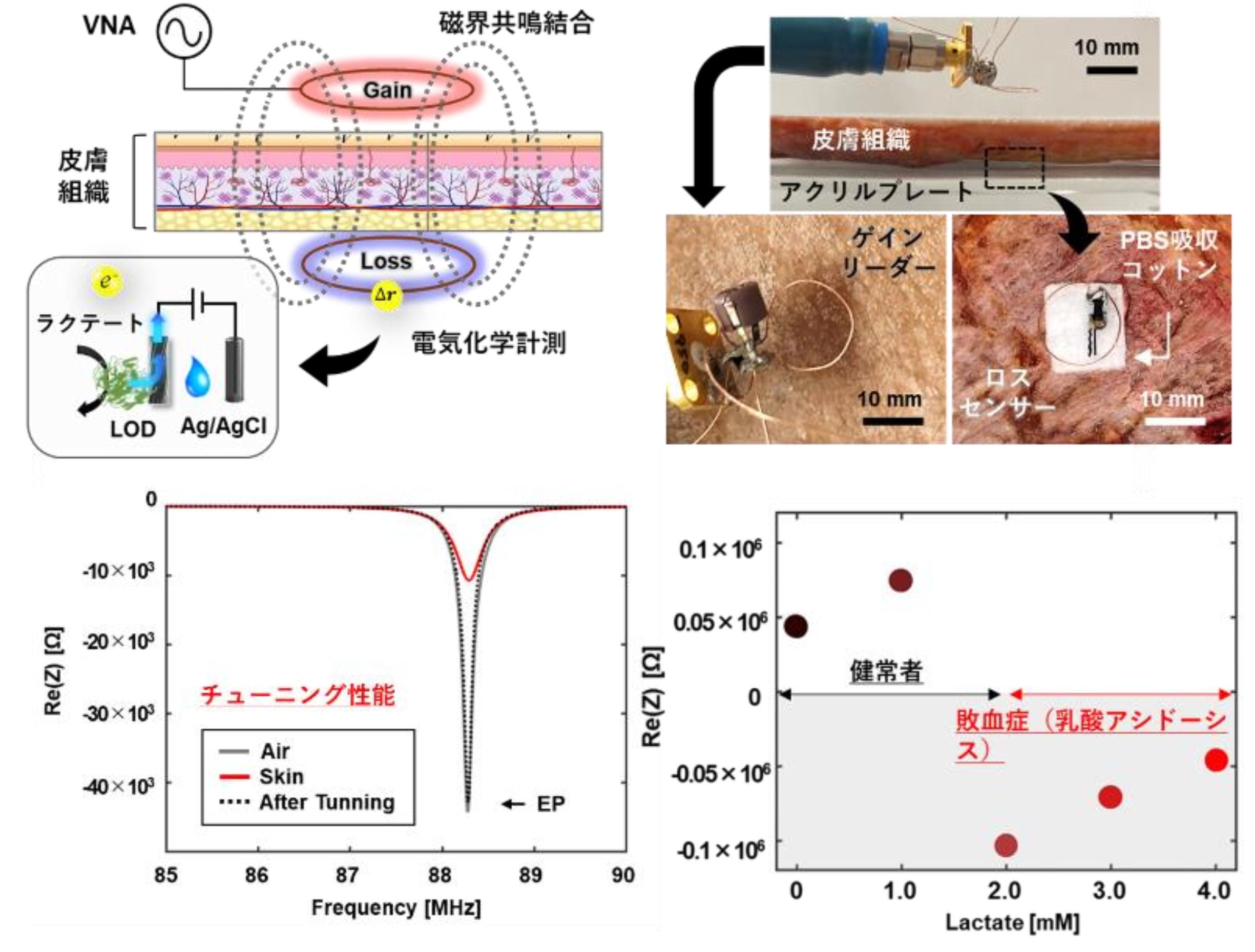
Researchers have developed a novel, wireless, PT-symmetric wearable resonator that can detect tear glucose and blood lactate levels in the micromolar range. The resonator is composed of an inductance–capacitance–resistance (LCR) reader and an LCR sensor with an enzyme-based chemiresistor. The setup has a high quality (Q) factor, making it highly sensitive.
Wireless wearable biosensors have been a game changer in personalized health monitoring and healthcare digitization because they can efficiently detect, record, and monitor medically significant biological signals. Chipless resonant antennae are highly promising components of wearable biosensors, as they are affordable and tractable. However, their practical applications are limited by low sensitivity (inability to detect small biological signals) caused by low quality (Q) factor of the system.
To overcome this hurdle, researchers led by Professor Takeo Miyake from Waseda University, Professor Yin Sijie from Beijing Institute of Technology, and Taiki Takamatsu from Japan Aerospace Exploration Agency, have developed a wireless bioresonator using “parity–time (PT) symmetry” that can detect minute biological signals. Their work has been published in Advanced Materials Technologies.
In this study, the researchers designed a bioresonator consisting of a magnetically coupled reader and sensor with high Q factor, and thus, increased sensitivity to biochemical changes. The reader and sensor both comprise an inductor (L) and capacitor (C) that are parallel-connected to a resistor (R). In the sensor, the resistor is a chemical sensor called a “chemiresistor” that converts biochemical signals into changes in resistance. The chemiresistor contains an enzymatic electrode with an immobilized enzyme. Minute biochemical changes at the enzymatic electrode (in response to changes in the levels of biomolecules such as blood sugar or lactate) are thus converted into electrical signals by the sensor, and then amplified at the reader.
Explaining the technical concept behind their novel biosensor, Miyake says, “We modeled the characteristics of the PT-symmetric wireless sensing system by using an eigenvalue solution and input impedance, and experimentally demonstrated the sensitivity enhancement at/near the exceptional point by using parallel inductance–capacitance–resistance (LCR) resonators.The developed amplitude modulation-based PT-symmetric bioresonator can detect small biological signals that have been difficult to measure wirelessly until now. Moreover, our PT-symmetric system provides two types of readout modes: threshold-based switching and enhanced linear detection. Different readout modes can be used for different sensing ranges.”
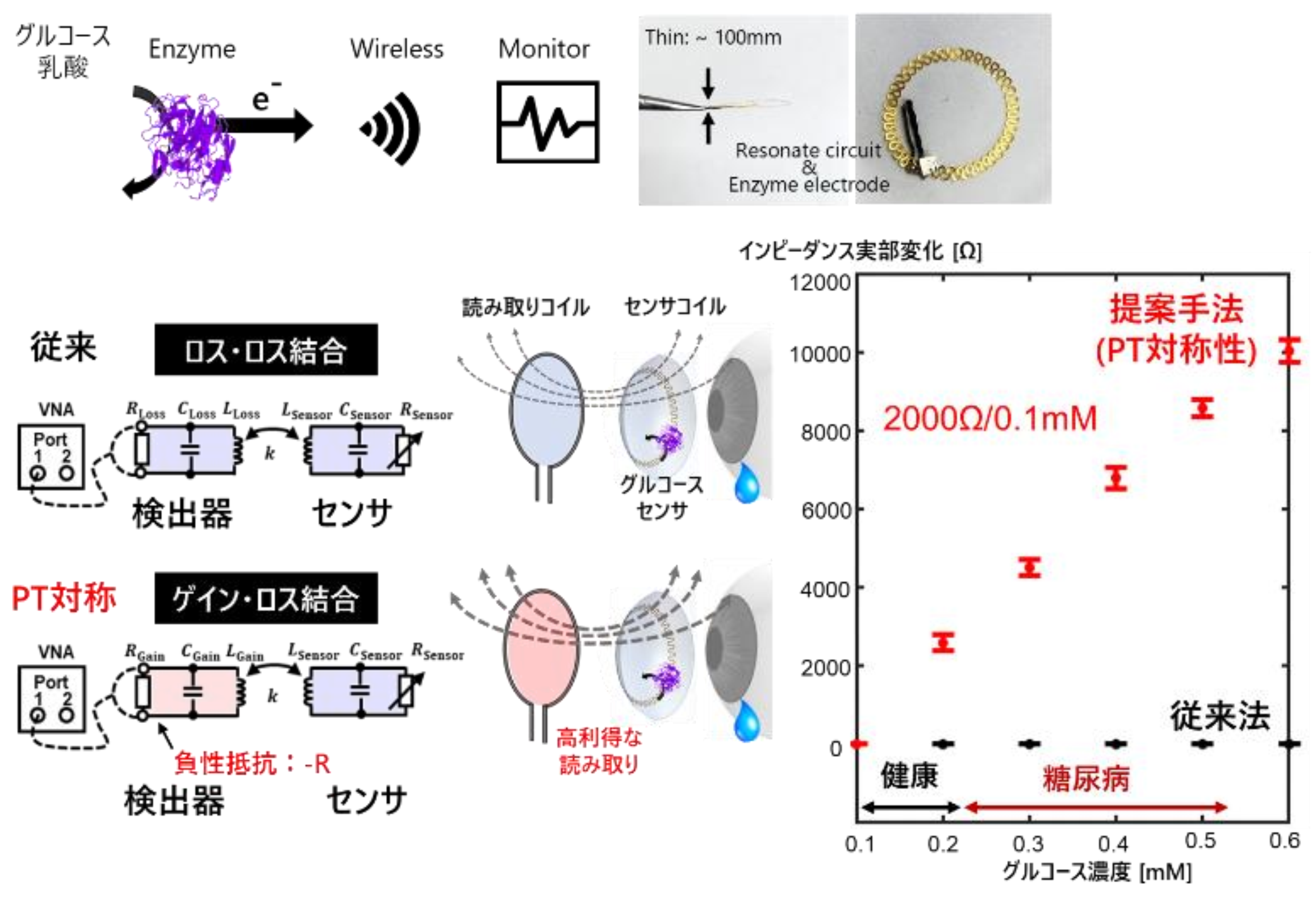
The researchers tested the system (here containing a glucose-specific enzyme) on human tear fluids and found that it could detect glucose concentrations ranging from 0.1 to 0.6 mM. They also tested it with a lactate-specific enzyme and commercially available human skin and found that it could measure lactate levels in the range of 0.0 to 4.0 mM through human skin tissue, without any loss of sensitivity. This result further indicates that the biosensor can be used as an implantable device. Compared to a conventional chipless resonant antenna-based system, the PT-symmetric system achieved a 2000-fold higher sensitivity in linear and a 78% relative change in threshold-based detection respectively.
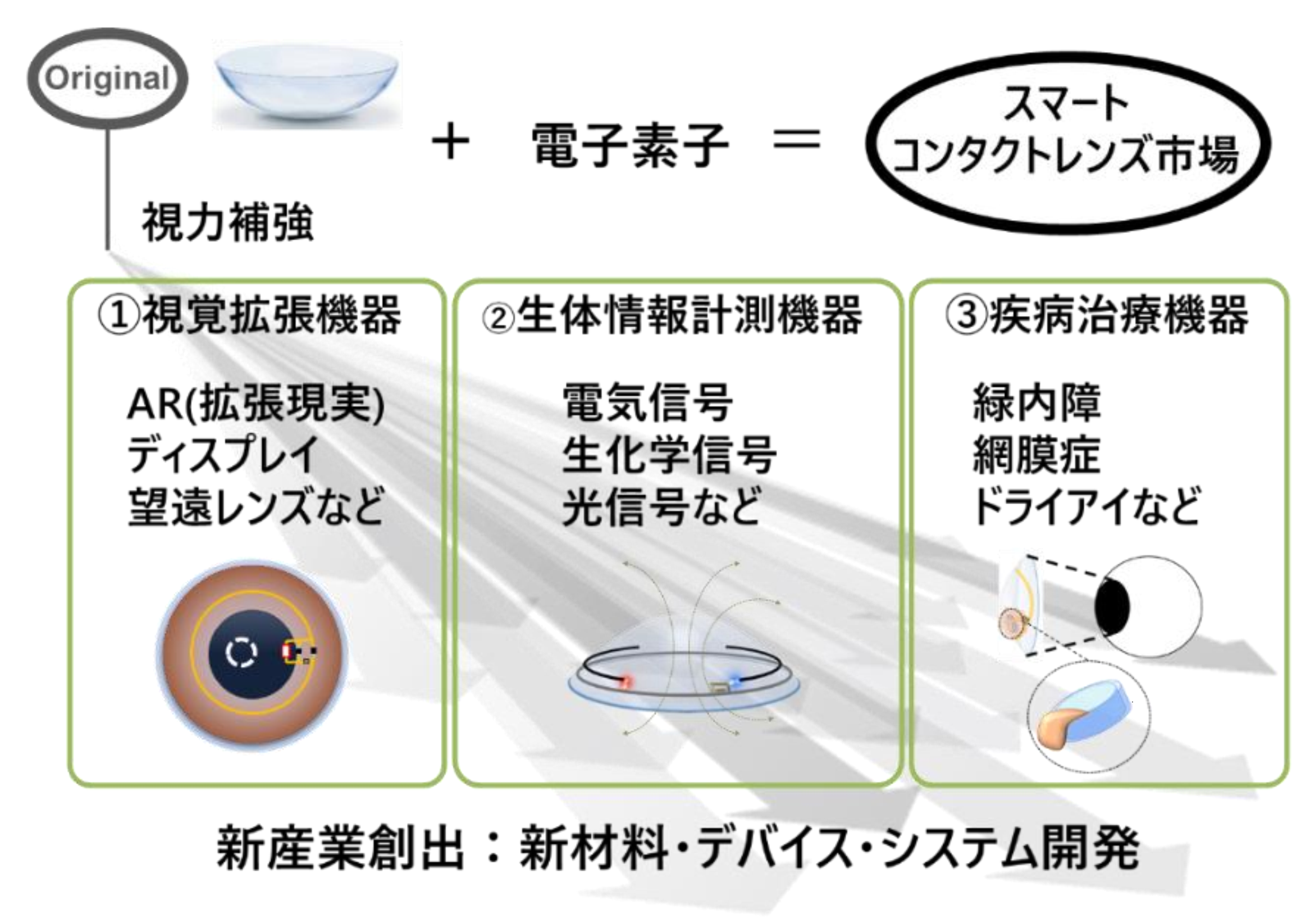
Sharing his vision for the future, Miyake concludes, “The present telemetry system is robust and tunable. It can enhance the sensitivity of sensors to small biological signals. We envision that this technology can be used for developing smart contact lenses to detect tear glucose and/or implantable medical devices to detect lactate for efficient monitoring of diabetes and blood poisoning.”
This novel PT-symmetric wireless wearable bioresonator may soon usher in a new era of personalized health monitoring and efficient digitized healthcare systems!
Natsuho Akagi, Keisuke Hori, Hisashi Sugime, Suguru Noda, Nobuko Hanada, “Systematic investigation of anode catalysts for liquid ammonia electrolysis”, Journal of Catalysis, 406 (2022) 222-230.
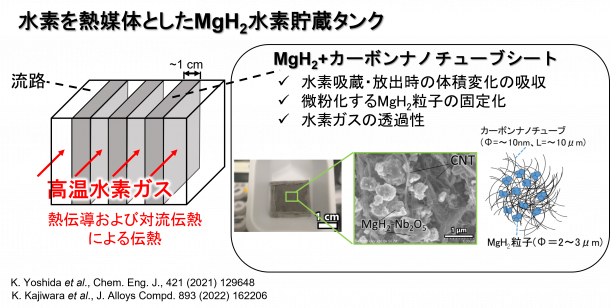
Kosuke Kajiwara, Hisashi Sugime, Suguru Noda, Nobuko Hanada, “Fast and stable hydrogen storage in the porous composite of MgH2with Nb2O5 catalyst and carbon nanotube”, Journal of Alloys and Compounds, 893 (2022) 162206.
Keisuke Yoshida, Kosuke Kajiwara, Hisashi Sugime, Suguru Noda, Nobuko Hanada, “Numerical simulation of heat supply and hydrogen desorption by hydrogen flow to porous MgH2sheet”, Chemical Engineering Journal, 421 (2021) 129648.
Nobuko Hanada, Yusuke Kohase, Keisuke Hori, Hisashi Sugime, Suguru Noda , “Electrolysis of ammonia in aqueous solution by platinum nanoparticles supported on carbon nanotube film electrode”, Electrochimica Acta, 341 (2020) 135027.
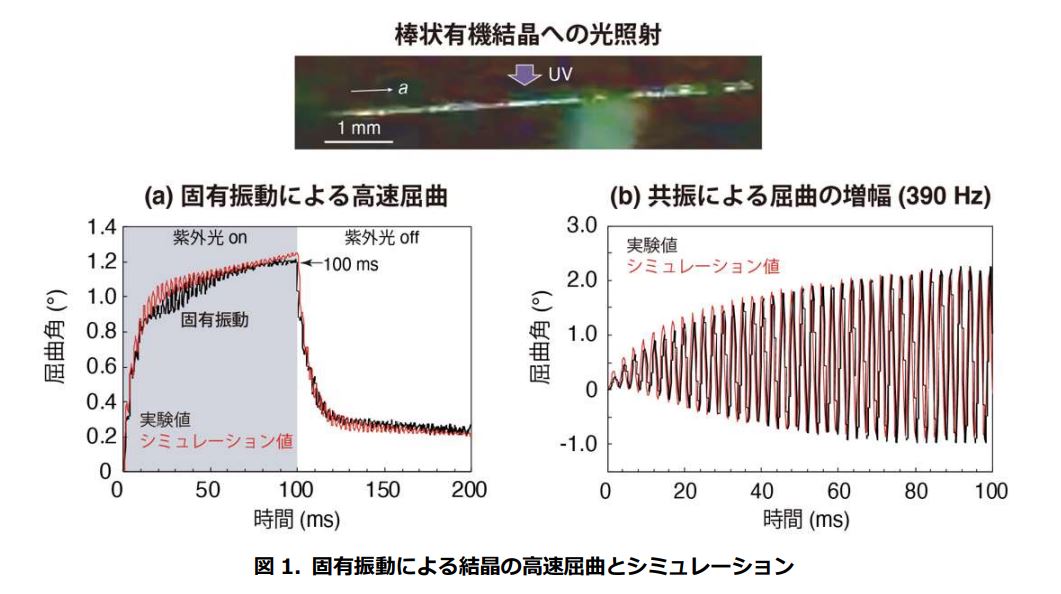
さらに、結晶の形状を変えると200–700 Hzの様々な共振固有振動が観察され、長く薄い結晶では「大きい屈曲」が、短く厚い結晶では「素早い屈曲」が創出できることがわかりました(図2a)。この共振固有振動について屈曲速度とエネルギー変換効率(光→屈曲運動)を、光異性化、光熱効果、非共振固有振動による屈曲と比較した結果、最も速い屈曲速度(0.2–0.7 m s-1)かつ最も高いエネルギー変換効率(~0.1 %)が得られることがわかりました(図2b)。
Researchers develop a four-wheeled, two orthogonal axes mechanism robot to maintain plants grown under solar panels
Synecoculture, a new farming method, involves growing mixed plant species together in high density. However, it requires complex operation since varying species with different growing seasons and growing speeds are planted on the same land. To address this need, researchers have developed a robot that can sow, prune, and harvest plants in dense vegetation grown. Its small, flexible body will help large-scale Synecoculture. This is an important step towards achieving sustainable farming and carbon neutrality.
Researchers have developed a small and flexible agricultural robot for Synecoculture farming. It has a four-wheel mechanism, two axes stand, robotic arm, camera unit, maneuvering system, and farming tools.
Synecoculture is a new agricultural method advocated by Dr. Masatoshi Funabashi, senior researcher at Sony Computer Science Laboratories, Inc. (Sony CSL), in which various kinds of plants are mixed and grown in high density, establishing rich biodiversity while benefiting from the self-organizing ability of the ecosystem. However, such dense vegetation requires frequent upkeep—seeds need to be sown, weeds need to be pruned, and crops need to be harvested. Synecoculture thus requires a high level of ecological literacy and complex decision-making. And while the operational issues present with Synecoculture can be addressed by using an agricultural robot, most existing robots can only automate one of the above three tasks in a simple farmland environment, thus falling short of the literacy and decision-making skills required of them to perform Synecoculture. Moreover, the robots may make unnecessary contact with the plants and damage them, affecting their growth and the harvest.
With the rising awareness of environmental issues, such a gap between the performance of humans versus that of conventional robots has spurred innovation to improve the latter.
A group of researchers led by Takuya Otani, an Assistant Professor at Waseda University, in collaboration with Sustainergy Company and Sony CSL, have designed a new robot that can perform Synecoculture effectively. The robot is called SynRobo, with “syn” conveying the meaning of “together with” humans. It manages a variety of mixed plants grown in the shade of solar panels, an otherwise unutilized space. An article describing their research was published in Volume 13, Issue 1 of Agriculture, on 21 December 2022. This article has been co-authored by Professor Atsuo Takanishi, also from Waseda University, other researchers of Sony CSL, and students from Waseda University.
Otani briefly explains the novel robot’s design. “It has a four-wheel mechanism that enables movement on uneven land and a robotic arm that expands and contracts to help overcome obstacles. The robot can move on slopes and avoid small steps. The system also utilizes a 360o camera to recognize and maneuver its surroundings. In addition, it is loaded with various farming tools—anchors (for punching holes), pruning scissors, and harvesting setups. The robot adjusts its position using the robotic arm and an orthogonal axes table that can move horizontally.”
Besides these inherent features, the researchers also invented techniques for efficient seeding. They coated seeds from different plants with soil to make equally-sized balls. These made their shape and size consistent, so that the robot could easily sow seeds from multiple plants. Furthermore, an easy-to-use, human-controlled maneuvering system was developed to facilitate the robot’s functionality. The system helps it operate tools, implement automatic sowing, and switch tasks.
The new robot could successfully sow, prune, and harvest in dense vegetation, making minimal contact with the environment during the tasks because of its small and flexible body. In addition, the new maneuvering system enabled the robot to avoid obstacles 50% better while reducing its operating time by 49%, compared to a simple controller.
“This research has developed an agricultural robot that works in environments where multiple species of plants grow in dense mixtures,” Otani tells us. “It can be widely used in general agriculture as well as Synecoculture—only the tools need to be changed when working with different plants. This robot will contribute to improving the yield per unit area and increase farming efficiency. Moreover, its agricultural operation data will help automate the maneuvering system. As a result, robots could assist agriculture in a plethora of environments. In fact, Sustainergy Company is currently preparing to commercialize this innovation in abandoned fields in Japan and desertified areas in Kenya, among other places.”
Such advancements will promote Synecoculture farming, with the combination of renewable energy, and help solve various pressing problems, including climate change and the energy crisis. The present research is a crucial step toward achieving sustainable agriculture and carbon neutrality. Here’s hoping for a smart and skillful robot that efficiently supports large-scale Synecoculture!
This robot successfully sows, prunes, and harvests complex vegetation grown in the shade of solar panels. Its maneuvering system reduces operation time by 49%.
Reference
Authors:Takuya Otani1, Akira Itoh2, Hideki Mizukami2, Masatsugu Murakami2, Shunya Yoshida2, Kota Terae2, Taiga Tanaka2, Koki Masaya2, Shuntaro Aotake2,3, Masatoshi Funabashi3, and Atsuo Takanishi2
About Professor Takuya Otani from Waseda Research Institute for Science and Engineering
Takuya Otani is an Assistant Professor at the Faculty of Science and Engineering at Waseda Research Institute for Science and Engineering. He received his Ph.D. degree from Waseda University in 2016. He is a member of the Virtual Reality Society of Japan, Japanese Council of IFToMM, Japan Society of Mechanical Engineers, Robotics Society of Japan, and IEEE. He received the Waseda e-Teaching Good Practice Award in 2021. His research interests include robotics and intelligent system, intelligent robotics, haptics, humanoid robotics, and mechanics and mechatronics. His recent work involves developing efficient robots for Synecoculture agriculture.
About Waseda University
Located in the heart of Tokyo, Waseda University is a leading private research university that has long been dedicated to academic excellence, innovative research, and civic engagement at both the local and global levels since 1882. The University has produced many changemakers in its history, including nine prime ministers and many leaders in business, science and technology, literature, sports, and film. Waseda has strong collaborations with overseas research institutions and is committed to advancing cutting-edge research and developing leaders who can contribute to the resolution of complex, global social issues. The University has set a target of achieving a zero-carbon campus by 2032, in line with the Sustainable Development Goals (SDGs) adopted by the United Nations in 2015.
Synecoculture is a method of farming that produces useful plants while making multifaceted use of the self-organizing ability of the earth’s ecosystem. Advocated by Dr. Masatoshi Funabashi of Sony Computer Science Laboratories, Inc., it is characterized by a comprehensive ecosystem utilization method that considers not only food production but also the impacts on the environment and health.
*”Synecoculture” is a registered trademark or a trademark of Sony Group Corporation.
About Sustainergy Company
Sustainergy Company, a Tokyo-based renewable-energy startup, its management philosophy is “making the world sustainable through energy”, has been developing and operating solar power generation projects in Japan, including large-scale farm-based solar power generation (Agrivoltaics). The company noticed that the space under the solar panels of many solar power plants is underutilized and thought that if Sony CSL’s Synecoculture farming method could be applied to the semi-shaded area under the solar panels, the degraded soil could be restored, and the land could be turned into greenery and farmland, thereby enabling both food production and renewable energy production on the same land. Sustainergy Company is preparing to commercialize this project in abandoned farmlands in Japan, desertified areas in Kenya, and other countries. To learn more about Sustainergy Company, visit https://sustainergy.co.jp/.

 ログイン
ログイン


 <略歴>
<略歴>







 末益 博志
末益 博志 浜 孝之
浜 孝之 竹澤 晃弘
竹澤 晃弘 松田 哲也
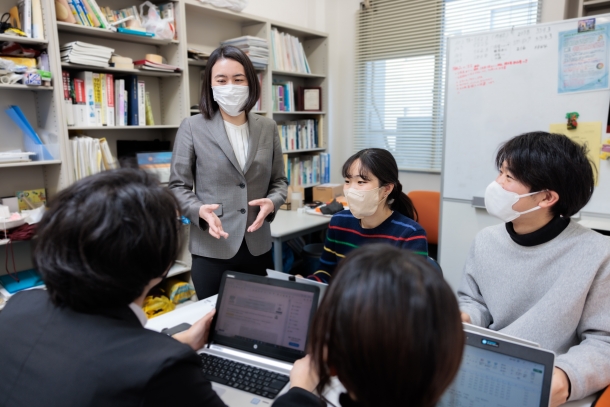
松田 哲也 2023年現在、地球温暖化の原因と考えられている温室効果ガス削減に向け、「カーボンニュートラル」が世界的潮流となっています。カーボンニュートラル実現に向けた方策のひとつに挙げられるのが、水素の利用です。再生可能エネルギーを利用して水素を製造し、燃料電池等を用いて電気や熱エネルギーを取り出す。その反応過程において、二酸化炭素は発生しません。第19回(令和四年度)日本学術振興会賞を受賞した先進理工学部の花田信子 専任講師は、水素を利用しやすくするための水素吸蔵・放出材料やその工業化プロセスを研究しています。研究テーマを選んだきっかけや、取り組みについて伺いました。(取材日:2023年2月9日)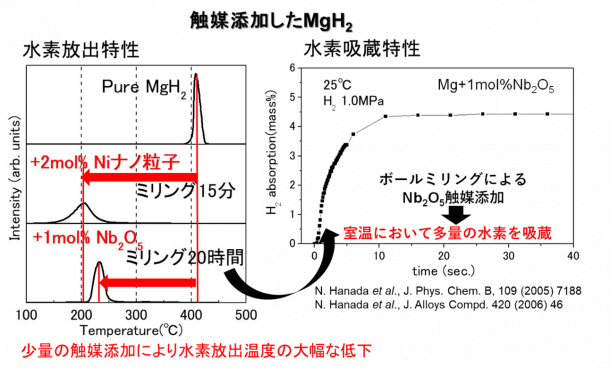
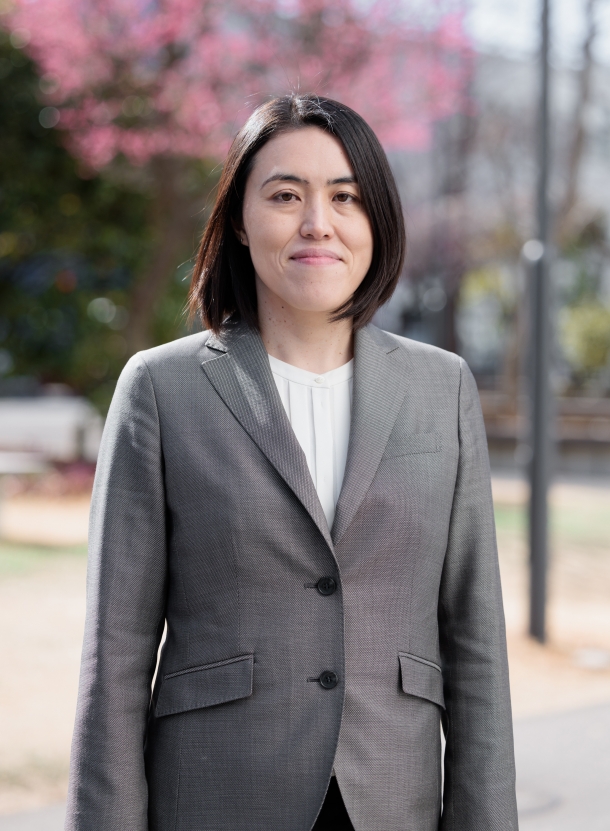 花田 信子(はなだ のぶこ)