🤖 AI Summary
Googleは、Androidデベロッパーバリデーション制度の導入に向け、制裁国からの開発者を除外することを計画しています。この措置により、制裁国のAndroid端末では未検証アプリのインストールが制限されます。しかし、それ以外の地域では未検証開発者のアプリはインストール可能ですが、セキュリティ上の利点にはアクセスできません。
具体的な制裁国としては、現在米国の制裁リストにはイラン、キューバ、北朝鮮、ウクライナ占領地が含まれています。将来的に制裁国のリストは変更される可能性があるため、Googleはこれらの地域の開発者と取引を行わないと表明しました。
Googleの発言者は、「このプログラムは制裁国での開発者がどのように影響を受けるか?」という質問についてのFAQを拡大解説し、制裁国の居住者は検証プロセスを通過できないことを確認しています。これにより、制裁国以外では未検証アプリを有効に配布することができません。
つまり、今後、制裁国以外での未検証アプリの配布は制限され、これらの地域では検証制度が存在しないため、容易にインストールできるアプリのみが利用可能になることが予想されます。
An anonymous reader quotes a report from Ars Technica: We are a month away from the initial rollout of Google's Android developer verification system, and the company contends this policy does not impinge on the platform's open nature. Still, the restrictions will be a big change, and there are still some unanswered questions. An issue that has come up repeatedly in the run-up to verification is what will happen to devs who can't verify because of where they live. It turns out that Google has a cryptic answer for that buried in an FAQ. Developer verification will soon block the installation of apps from unverified developers on any Android device running Google services, which is functionally all Android phones outside Russia and China. Developers who want to keep releasing software, even if it's not in the Play Store, have to provide Google with their ID and pay a small fee.
But what if you're an Android developer living in a sanctioned nation? Currently, the U.S. sanction list includes Iran, Cuba, North Korea, and occupied areas of Ukraine. Given the current uncertain state of US foreign policy, that list could change in the future. Google doing any business with developers in those places is a thorny issue, and it seems like the company has decided to just leave them hanging. A rather lengthy FAQ a few levels deep on the Google developer site addresses various issues around dev verification. Smack in the middle is this: "How does this program impact developers in sanctioned countries? Devices in sanctioned countries will be excluded from Android developer verification checks. This allows any developer to continue distributing apps in these regions without verification, though users there won't benefit from the enhanced security benefits of the program."
[...] A Google spokesperson has expanded on the FAQ and confirmed to Ars that people living in sanctioned nations will not be allowed to go through the verification process. That means they will not be able to effectively distribute software through any channel internationally. Today, someone making an app in, say, Cuba can distribute it freely around the world, as well as at home. Anyone can install it and see their work in action after tapping through a few sideloading alerts. In the coming months, that will no longer be the case. These unverified apps will only be easily installable in the sanctioned countries where verification doesn't exist.


Read more of this story at Slashdot.

 ログイン
ログイン
 ゲームをしっかり楽しみたい人にとって、スマホの処理性能は気になるところです。Snapdragon 8 Elite(スナップドラゴン エイト エリート)を搭載し、ゲームから動画まで楽しめるXiaomi(シャオミ)の「POCO F8 Pro(ポコ エフエイト...続きを読む
 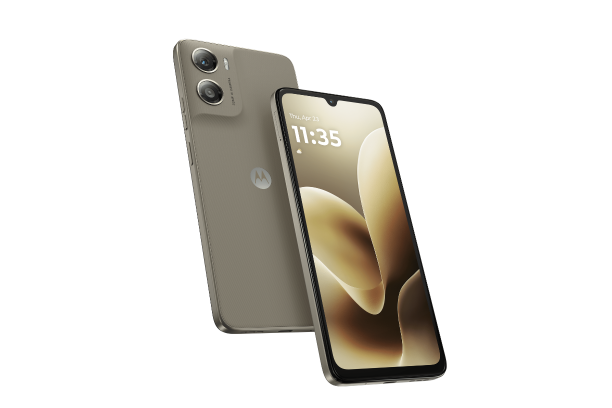 「スマホは大きな画面で使いたいけど、できるだけ予算は抑えたい」という人にチェックしてほしいのが、モトローラの「moto g06(モト ジーゼロシックス)」です。約6.9インチの大画面ディスプレイに5,100mAhの大容量バッテリー、128GBストレージを...
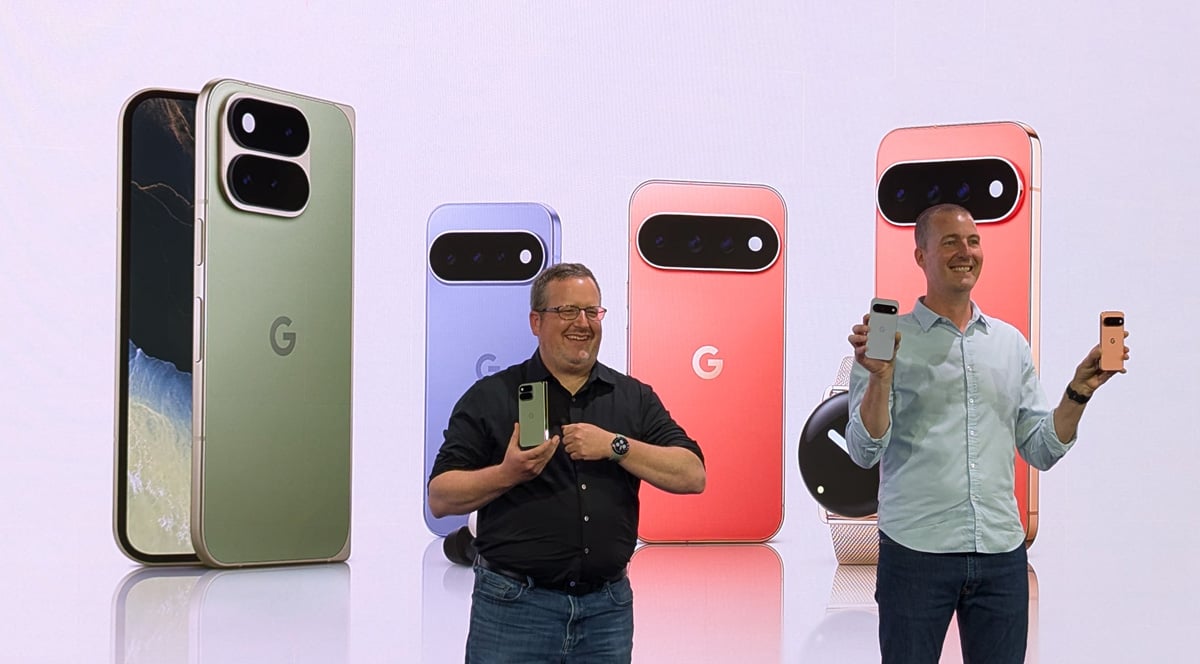 Googleは8月12日、Pixelスマートフォンの新製品4モデル「Pixel 11」「Pixel 11 Pro」「Pixel 11 Pro XL」「Pixel 11 Pro Fold」を発表。国内でも同日からGoogleストアで予約受付を開始し、8月2...