❌

リーディングビュー

スティーブ・ジョブズが命を落とした膵臓がんに新薬。生存期間をほぼ2倍に

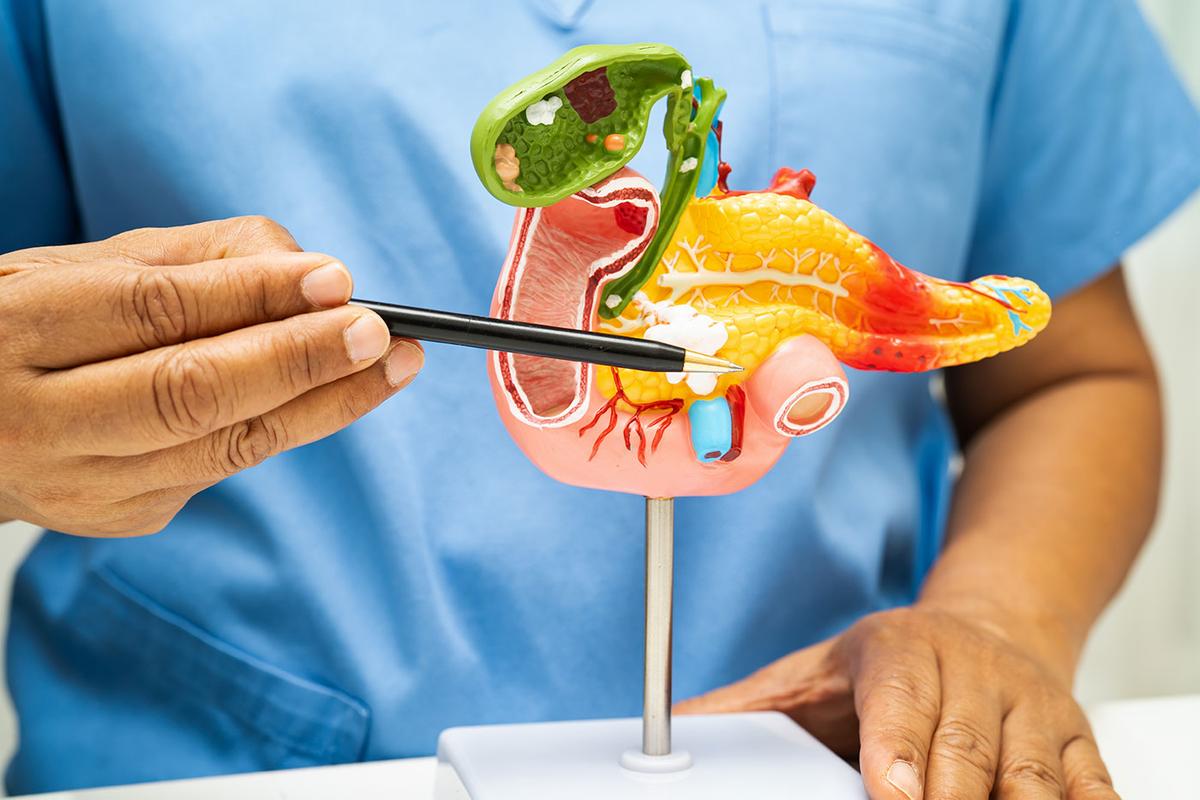
「膵臓がん」と聞くと、私は今でも少し身構えてしまいます。2011年に亡くなったスティーブ・ジョブズが患っていた病気として、その名前を知った人も多いのではないでしょうか。当時報じられたのは、進行の速さや予後の厳しさでした。後に、ジョブズが患っ…

  •  

鋼鉄のように強く、しかもめちゃ軽い木材「スーパーウッド」が建築を変える?

2025年10月19日の記事を編集して再掲載しています。待って。その木は何で切ったらいいの? ちょっと削りたいときはどうすれば? 気になる…。木材のように見えて、鋼鉄のように強い。そんな夢のような素材が、ついに市場に登場しましたよ。メリーラ…

  •  

Scientists Turn Plastic Waste Into Edible Cookies

A team of researchers at Southern Illinois University Carbondale engineered yeast to create cookies that were 3D printed out of plastic waste, reports Futurism: The yeast breaks down the components of plastic compounds and agricultural byproducts like discarded plant stalks into proteins, fats, acids, and flavorings that we can eat. When these are combined together, the mixture is fed into a 3D printer that spits out cookies of any desired shape. The researchers chose to print their cookies as the Greek letter Â, creating what they call "ÂBites" — or micro bites. They haven't actually eaten one of their ÂBites yet, as they wait for university approval... "I think it has a pleasant, appealing aroma," Lahiru Jayakody, a microbiologist at SIU who led the research, told NewScientist. "And it will taste good, too. We've not tasted it, but it smells good — that's for sure — like a real cookie...." The researchers used CRISPR gene-editing technology to reprogram yeast strains to eat polyethylene terephthalate (PET), a widely used form of plastic commonly found in disposable water bottles, food packaging, and clothes, which is rich with carbon. Before the yeast can start feasting, the PET plastics are subjected to a process called oxidative hydrothermal dissolution to break them down into smaller bits that the microbes can digest. The purported advantage of this approach is that it's environmentally friendly, using only heat, water, and oxygen. The yeast feasts on these stripped-down plastic bits, turning them into a slurry of proteins, fats, and acids that're combined with fiber, starch, and sweetener to make them more palatable. One of the yeast strains in particular was able to turn plant biomass into tasty vanilla flavorings... [R]ight now, it's an expensive process, costing around $60 to produce a kilogram of cookies, The Guardian reported. And some experts say it's wishful thinking to believe we can 3D-print, and then eat, ourselves out of these global problems with 3D-printed, delectable treats. "We produce 400 million tons a year of plastic waste. You're not going to turn it all into cookies," Jason Hallett at Imperial College London told New Scientist. "So it's not a solution to the plastic-waste crisis. There's no way you could do this commercially. We're not gonna be eating plastic cookies." Thanks to Slashdot reader fjo3 for sharing the article.

Read more of this story at Slashdot.

  •  

腸内細菌の最新研究、やっぱり「食物繊維多め、肉は控えめが良い!」との結論に

肉と脂が多くて野菜が少ない、いわゆる欧米型の食事は、体に良くないなんて話を聞きますよね。でも、良くないと言われる具体的な理由はご存知ですか?実は、欧米型の食事と大腸がんが関係しているところまではわかっているのですが、具体的な理由まではわかっ…

  •  

データセンター電力爆食い問題、解決の鍵を握るのは「プラチナ燃料電池」

🤖 AI Summary

タイトル:データセンター電力爆食い問題、解決の鍵を握るのは「プラチナ燃料電池」

著者:Kenji P. Miyajima

内容要約:
AIブームによりアメリカの電力網に大きな負荷が加わり、2030年までにデータセンターの電力消費量は全消費量の12%近くを占める可能性があると専門家は指摘。燃料電池の中で注目を集めているプラチナ燃料電池がその解決策になる可能性があるとしている。

主なポイント:
1. AIブームによるデータセンターアクセス増加
2. 2030年までに全電力消費の12%を占めると予想されるデータセンターの電力需給問題
3. プラチナ燃料電池がその解決策になる可能性

プラチナ燃料電池は今後、データセンターや他の分野での利用が期待されている革新的技術として注目を集めている。
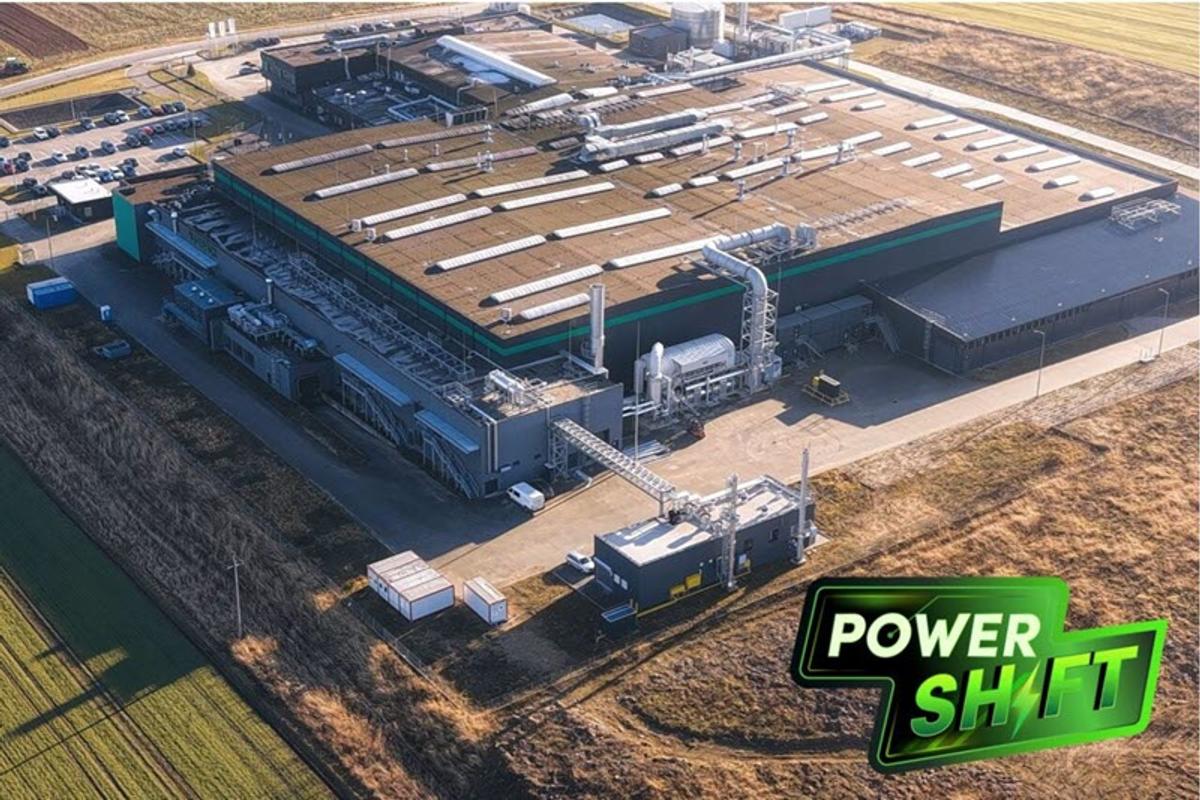
イマイチ勢いに乗れない燃料電池にとって飛躍のチャンス。AIブームの影響で、アメリカの電力網にはかつてない負荷がかかっています。2030年までにデータセンターの電力消費量は国内の総消費量の12%近くに達する可能性があるそうです。専門家は、急増…

  •  

Scientists May Have Figured Out Why Dead Brains Don't Always Rot

✇Slashdot
著者: BeauHD

🤖 AI Summary

記事によると、科学者が脳が死後腐らない理由を解明した可能性があると報告しています。通常、脳は死亡直後に他の器官よりも早く分解しますが、考古学者は4,400を超える保存された人間の脳を見つけています。この研究では、脳が千年にわたって存在する一方で、他の軟組織は消滅する理由を探求してきました。

特定の条件下では、腐敗によって保存が起きると研究者は報告しています。そのメカニズムについて、オックスフォード大学のパレオバイオロジストであるアレクサンドラ・セビール博士によれば、「酸素不足の環境下でこれらの反応は正常とは異なる方法で進展し、フリーイオン(高活性不安定分子)が周囲のタンパク質と結合することで組織全体が硬く、分解から守られる」と解説しています。つまり、腐敗と保存は特定の化学的制約下では共存するメカニズムだと研究者たちは結論付けました。

これらの研究結果はJournal of Proteome Researchに8月7日に掲載されました。
fahrbot-bot shares a report from Smithsonian Magazine: The brain is one of the first organs to begin decomposing after death. Yet archaeologists have discovered more than 4,400 preserved human brains around the world, some of which have remained intact for the last 12,000 years. In hundreds of cases, the brain was the only soft tissue left among otherwise skeletal remains. But how and why do brains sometimes persist for millennia while all other types of soft tissue disappear? This preservation paradox has stumped scientists for years. Now, however, a team of researchers say they may have solved the mystery. If a brain ends up in a wet, oxygen-starved environment, the processes that usually cause decay can have the opposite effect, researchers report in a study published in the August 7 issue of the Journal of Proteome Research. "Under the right conditions, preservation actually arises from decay itself: The same reactions that degrade tissue can also weld the breakdown products together into something far tougher," study co-author Alexandra Seviour, a paleobiologist at the University of Oxford in England, tells Live Science's Victoria Atkinson. Following experiments on 72 mouse carcasses (described in the article) the scientists think they know why. When oxygen is abundant, it triggers a cascading, chemical chain reaction that causes brain proteins to break down rapidly. This sequence hinges on free radicals, highly reactive, unstable molecules that "steal" electrons from nearby atoms and molecules. The process happens in the brains of living people too, and if left unchecked, can cause health problems. In low-oxygen environments, however, this chemical sequence appears to play out differently. The researchers' analyses hint that free radicals instead react and bond with nearby proteins, making the overall tissue tougher and more resistant to decomposition, Seviour tells Chemical and Engineering News' Anirban Mukhopadhyay. The findings show that "decay is not the opposite of preservation but, under specific chemical constraints, one of its mechanisms," the researchers write in the paper.

Read more of this story at Slashdot.

  •  

Lab Supply Companies Have Been Selling Antibodies Using Manipulated Images

✇Slashdot
著者: BeauHD
An anonymous reader quotes a report from Ars Technica: Antibodies play a central role in your body's immune defense. But they're also nearly ubiquitous in biological research, being essential for several widely used lab techniques. While some researchers need to go through the process of producing their own antibodies, antibodies to many key proteins are commercially available and can be ordered for overnight delivery. In May, however, Reese Richardson, a post-doc at Northwestern University, discovered that some of the images used to demonstrate how these antibodies performed in lab experiments had been subject to image manipulation -- the sorts of changes that would get a paper retracted if they had appeared in the academic literature. The manipulations ranged from removing background noise to copying and pasting data to fabricate results. Now, he has done a more exhaustive search and found problematic manipulations in images used to market over 17,000 commercial antibodies. [...] The consequences of this discovery are pretty significant. If you buy an antibody believing it will generate clean, clear data and find it doesn't, many researchers will assume the problem is them. That often leads them to spend time troubleshooting the procedure and trying slightly different conditions to get useful data. If the antibody can't produce those results, all the troubleshooting will have been a waste of time and money. Nature's coverage of the new findings includes quotes from several companies that sell these antibodies that, paraphrased, range from "we'll look into it" to "we don't think it's a problem." Researchers who have spent time frustrated while failing to get an antibody-based experiment to work may think otherwise.

Read more of this story at Slashdot.

  •  

中国依存から抜ける日も…南鳥島沖の泥から53.9%の中重レアアース

🤖 AI Summary

日本はレアアースという重要な資源が豊富にあることが明かされています。この資源は日本の最東端、南鳥島沖の深海泥から見つかりました。具体的には、採取されたサンプルの中から53.9%が中型または重型のレアアースを含んでいました。これは「日本は資源のない国」という常識に挑戦する重要な発見であり、将来日本のレアアース依存度の軽減につながる可能性があります。

関連リンク:[https://www.gizmodo.jp/article/rare_earths_off_minamitorishima/]

---

この要約では、南鳥島沖から見つかったレアアースについて解説し、日本が自給できる資源を有しているという点を強調しています。また、将来的な意義も踏まえてまとめました。
「日本は資源のない国です」。そう習って、そのまま大人になりました。その"ない"はずの資源が、日本最東端・南鳥島の沖、水深5,569メートルの海の底から、泥といっしょに上がってきています。内閣府とJAMSTEC(海洋研究開発機構)が7月24日…

  •  

18歳が開発したDIYろ過フィルター、浄水場超えの数字を叩き出す

🤖 AI Summary

【要約】
タイトル:18歳が開発したDIYろ過フィルター、浄水場超えの数字を叩き出す

著者:長谷川賢人

主な内容:
2026年7月17日の記事を改訂して再掲載。アメリカ・バージニア州の高校生ミア・ヘラーさんが、自宅のガレージとキッチンで開発したDIYろ過フィルターが注目を集めています。この装置は、浄水場の処理能力を超える効果を示しており、「考えたくもない現実」(未明確)に対処するための解決策として開発されました。
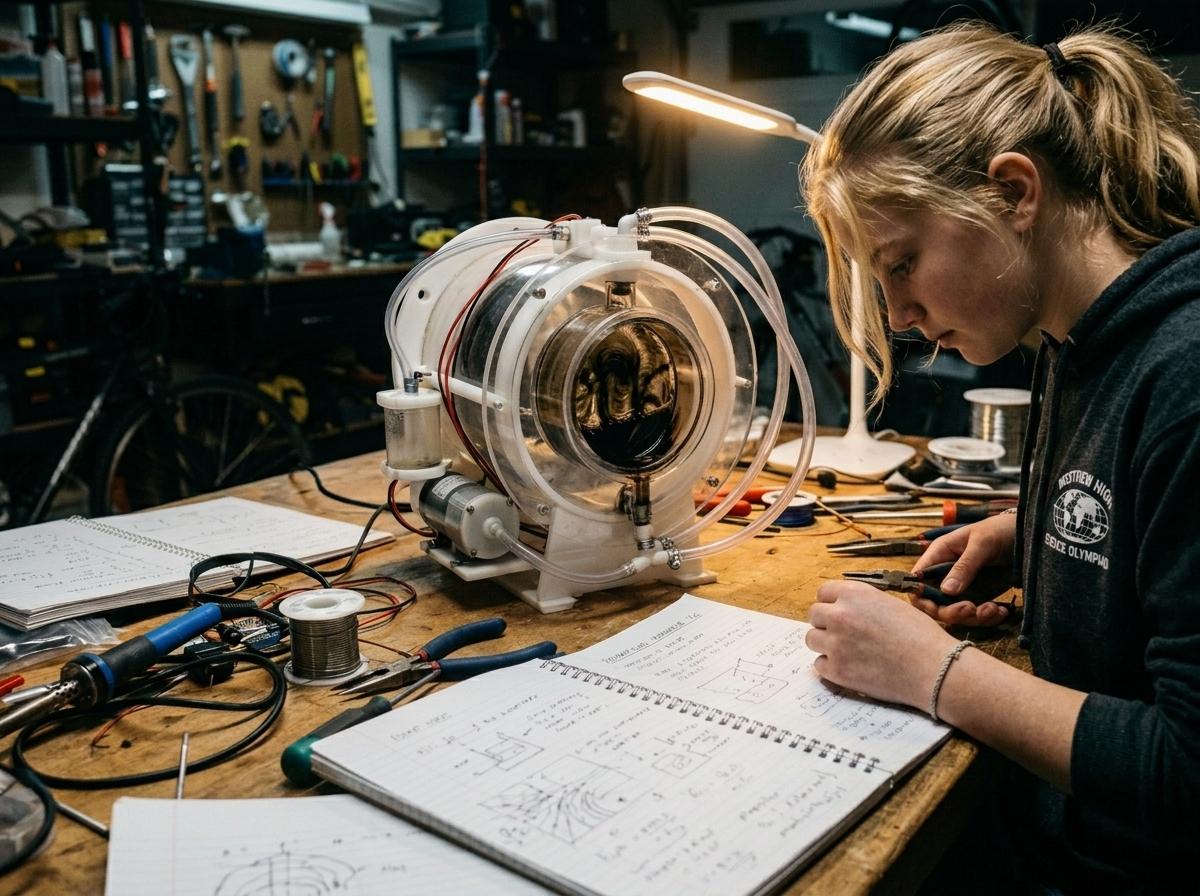
2026年7月17日の記事を編集して再掲載しています。ガレージDIYの域を超えた。アメリカ・バージニア州の高校生、ミア・ヘラーさんは、家族や自分のためにある「考えたくもない現実」を自宅のガレージとキッチンで解決しようとした一人です。しかも、…

  •  

AIが見つけたグリーンランドの隠れ氷河。厚さ2キロ、しかも従来の倍!

🤖 AI Summary

グリーンランド東部の「ガイキー高原」に、従来よりも約2倍の量の隠れ氷河があることが発見されました。これは人工知能(AI)によって特定された結果です。通常の調査方法如きには頼らず、機械学習モデルが推定した厚さは2kmにも達するという情報が含まれています。

【主なポイント】
1. 隠れ氷河の存在:グリーンランド東部で。
2. 氷量:従来考えられていた量より約2倍。
3. 探査方法:人工知能(AI)による推定。
4. 厚さ:最大で2km。

この発見は地球の氷の資源評価に大きな影響を与える可能性があり、今後の気候変動研究にも重要な役割を果たすでしょう。
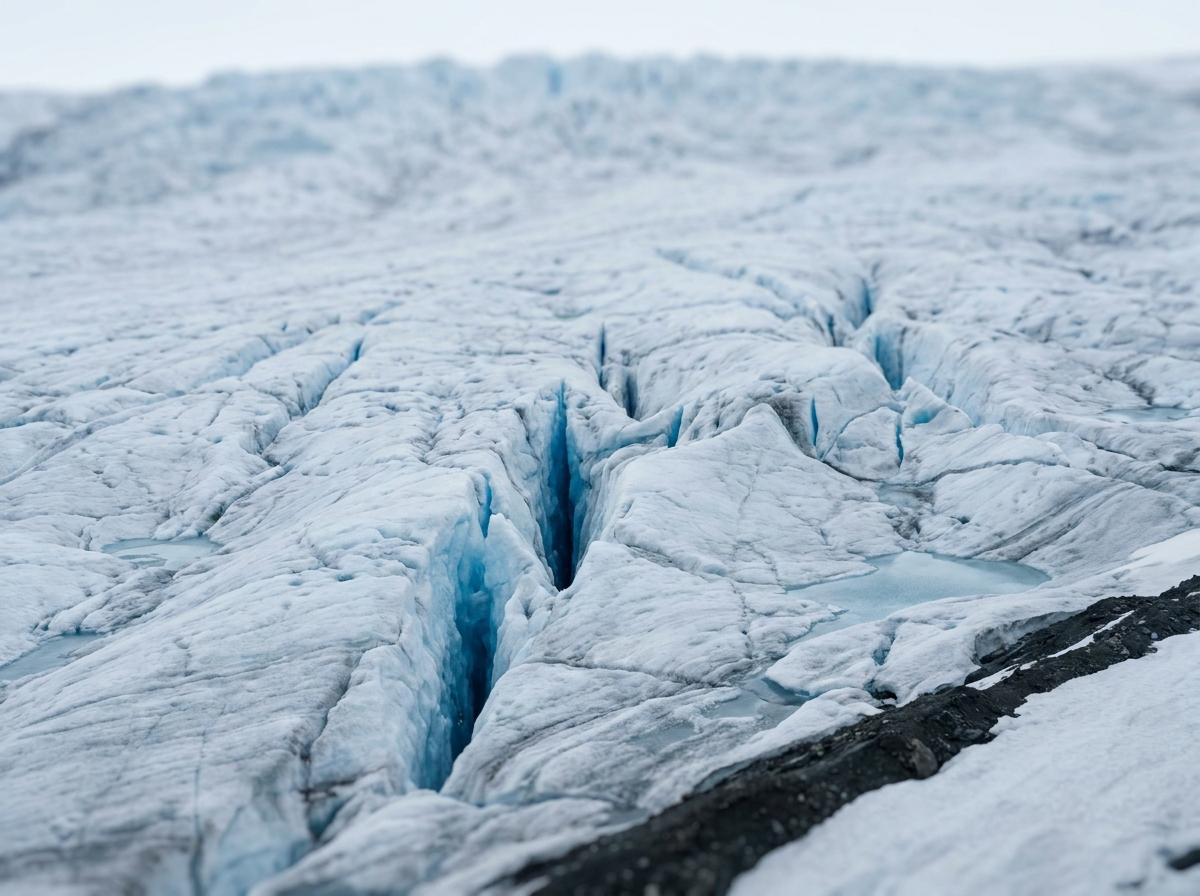
地球は、まだまだわからないことだらけ。グリーンランド東部の「ガイキー高原」に、これまで考えられていたより倍近い量の氷があることがわかりました。掘ったわけでも、飛行機を飛ばして確認したわけでもありません。機械学習モデルが「ここはこのくらい厚い…

  •  

ゴミ水道管がエンジンオイルに。リサイクルしづらい「塩ビ」の逆襲

🤖 AI Summary

日本語の要約:

タイトル:ゴミ水道管がエンジンオイルに。リサイクルしづらい「塩ビ」の逆襲

著者:長谷川賢人

内容:
ポリ塩化ビニル(PVC、塩ビ)は日常生活中で広く使用されていますが、廃棄時の問題が多いと指摘されています。アメリカ・バージニア工科大学の研究チームは、この素材の難燃性や分解困難さから、新たな環境問題となる可能性があることを示唆しています。

主なポイント:
1. 塩ビはプラスチックの中で最もリサイクルが難しい。
2. PVCは耐火性が高いが、これは廃棄時の燃焼処理を難しくしている。
3. 水道管や窓サッシなど身近な場所に広く使用されている。
4. 未来の環境問題になる可能性があるという警告。

この記事では、通常無害と思われている素材が長期間蓄積されると新たな環境課題を引き起こす可能性について警鐘を鳴らしています。
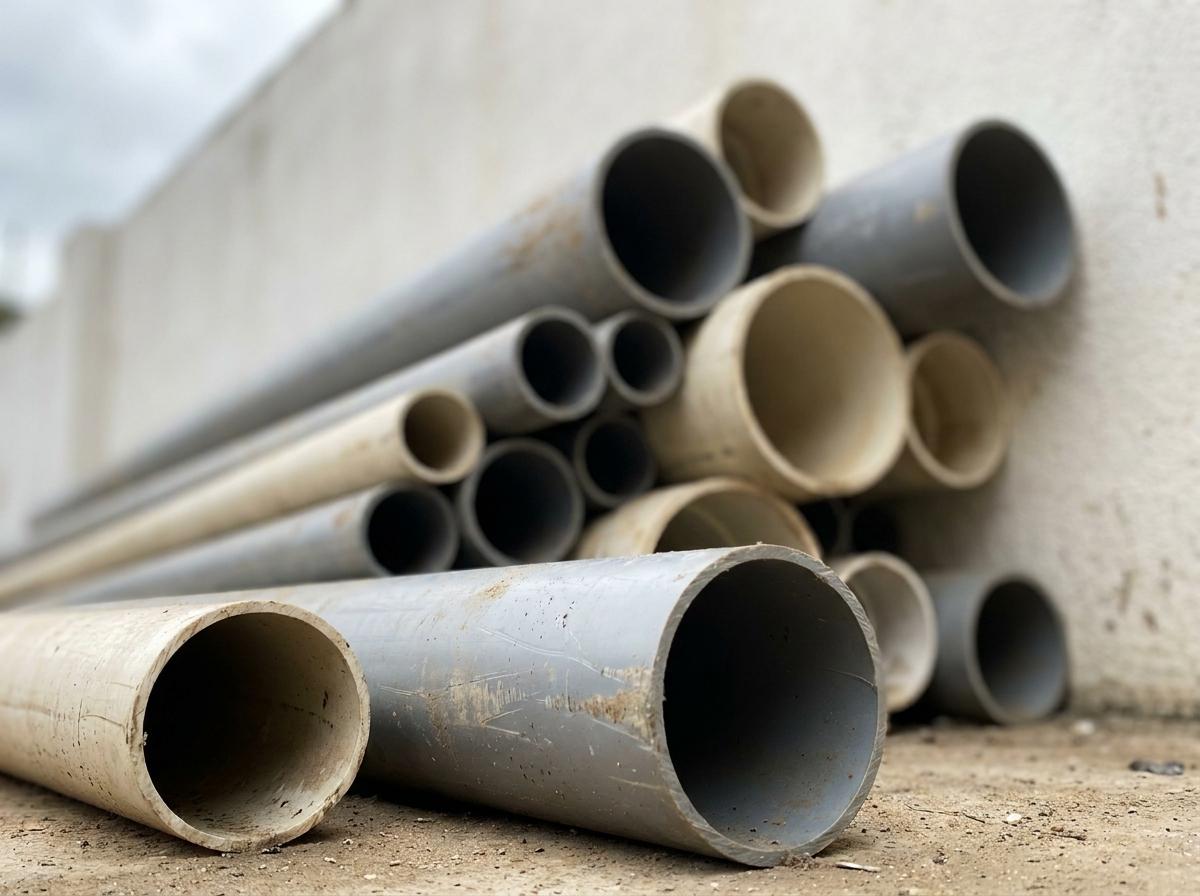
水道管、窓のサッシ、床材、そしてカード類。ポリ塩化ビニル(塩ビ/PVC)は身の回りのあちこちに使われていますが、実は捨てるときには「プラスチックの中でもいちばん厄介」という裏の顔を見せます。アメリカ・バージニア工科大学の研究チームが、その厄…

  •  

地球の微生物、月面で生存できる可能性あり。たとえばパンに生えるカビとか

🤖 AI Summary

タイトル:月面での微生物生存可能性の新研究
著者:高橋真紀

月のような過酷な環境でも生物は長く生存できないという見方が一般的でしたが、最近のNASAの研究によると、地球の微生物(例えばパンに生えるカビ)が月面で生存する可能性があることが分かってきました。月面は激しい気温変動や太陽放射線・宇宙放射線などの影響を受け、また鋭利なレゴリスも堆積しています。この環境でも微生物が生き残る可能性が示唆され、将来的な宇宙探査における衛生管理に大きな影響を与えることになりそうです。
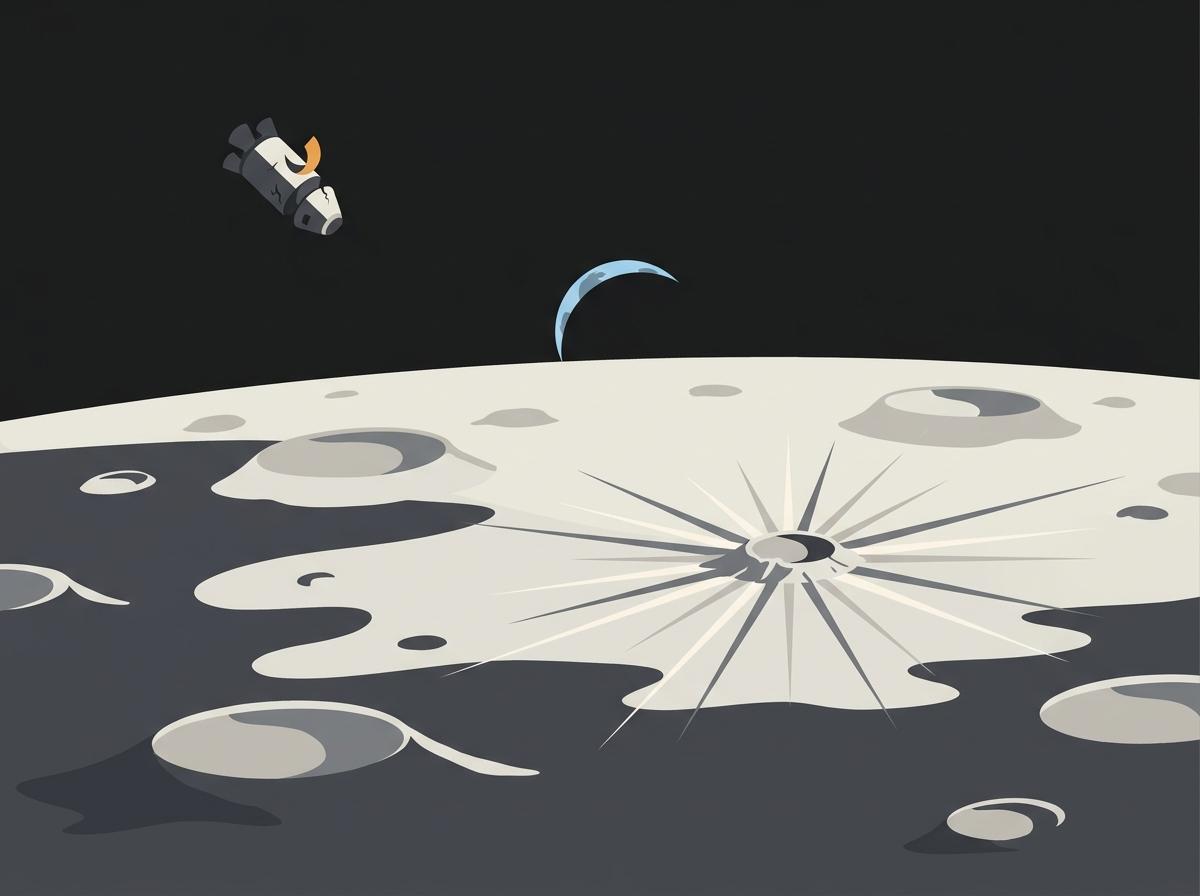
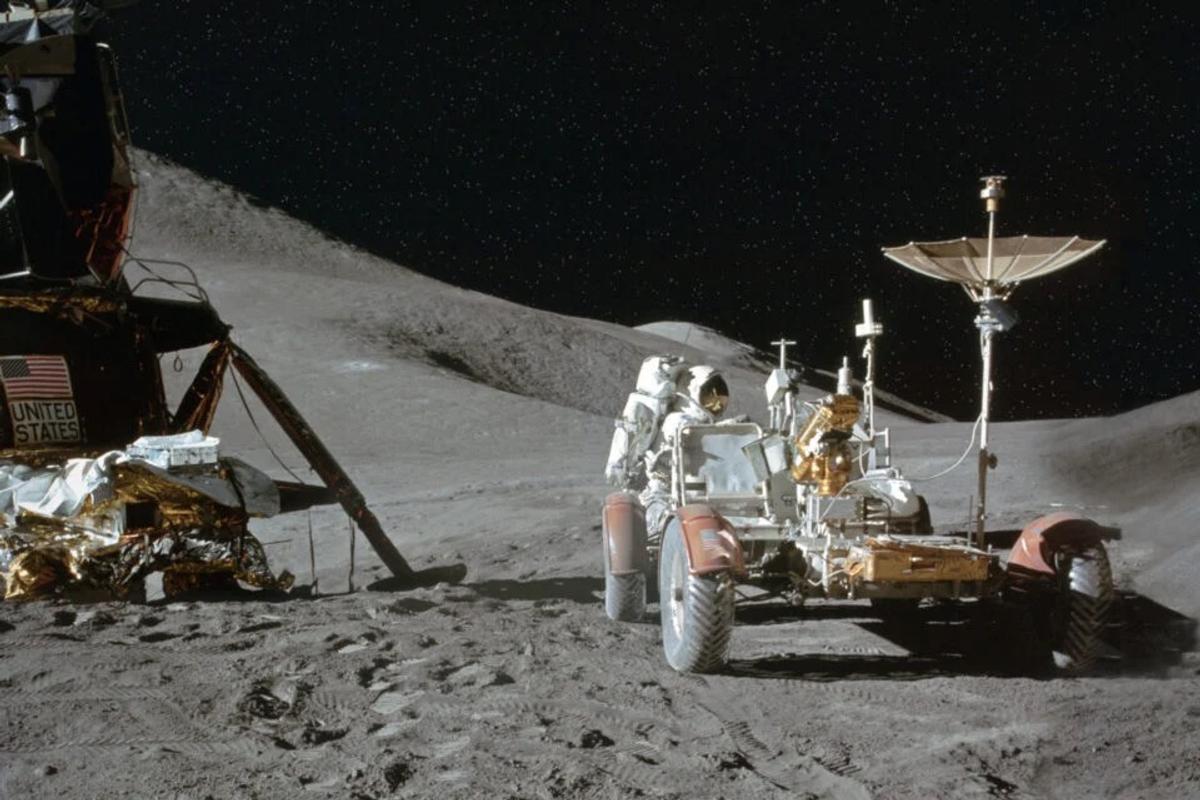
月のような過酷な環境では、生物は長く生存できないと考えられてきました。なにしろ月の気温は激しく変動し、人間が呼吸できる大気はなく、絶えず太陽放射線や宇宙放射線にさらされています。さらに、月面にはガラスのように鋭い粉塵であるレゴリスが堆積して…

  •  

After 50 Years, Physicists May Have Finally Found a Particle Made of Pure Force

🤖 AI Summary

50年以上にわたる探求の末、物理学者が「ゴリラグレープ」のような量子力の粒子であるグールンを主成分とする特殊な粒子(グールンボール)を見つけることに成功したという報告がある。この研究は北京での加速器実験で得られた結果に基づいており、中国の南京大学のジン・シャン博士らのチームが主導した。

彼らは高エネルギー粒子衝突を解析し、X(2370)と呼ばれる既知の粒子がグールンボールであるという強い証拠を得た。この粒子は夸力学間力媒介子からなる唯一の特殊な粒子であり、「ゴリラグレープ」の一種として知られる。

研究結果はアーカイブに投稿され、ブラジルで開催された高エネルギー物理学国際会議で発表された。ジン博士は南中国朝報紙に、「この成果は強力相互作用を説明する理論が最も厳しい検証を通過し、物理世界の理解の境界を拡張する可能性がある」と述べた。

この研究は約50年のグールンボール探査から最も明確な実験結果であり、夸力学間力媒介子が新たな物質形態を作り出すという長年にわたる理論予測を支持している。しかし、より多くの実験が必要で、さらにこの特殊なグールンボールの原型を確認し制約するためには「粒子 smashing」を行う必要があると指摘されている。
Gluons are the quantum 'Gorilla Glue' involved in binding quarks together, ScienceAlert reminds us. But for nearly 50 years, physicists have hunted for "glueballs", exotic particles predicted by this theory of the strong interaction — the only type of particle in nature composed entirely of force mediators: Now, a collaboration working at a collider in Beijing says it has the clearest evidence yet that a known particle called X(2370) is dominated by one of these elusive states... Physicists sifted through the wreckage of high-energy particle collisions to find strong evidence of this glueball, made predominantly of gluons — massless force carriers of the strong interaction between quarks... The new evidence for this exotic, unstable glueball's ephemeral existence comes from a recent preprint on arXiv, presented at the International Conference on High Energy Physics in Brazil... This collaboration uses the Beijing Electron Positron Collider II, a particle accelerator and collider that smashes electrons into their antimatter counterparts, called positrons, to probe perplexing particle physics. The resultant glueball is an "unprecedented form of matter," says Jin Shan, a particle physicist at Nanjing University and one of the research team's leaders. "It not only enables the theory describing strong interactions to pass its most rigorous test, but also vastly expands the boundaries of our understanding of the physical world," he told Fan Chen at South China Morning Post... Previously, in a study published in the journal Physical Review Letters in 2024, the researchers analyzed 10 billion meson decay events. They measured the X(2370) particle's mass and spin parity — a property that dictates its interactions and almost-instantaneous decay — for the first time, finding complete agreement between their experimental values and predictions. Now, they've identified its additional decay modes and determined its flavor-singlet nature, "the most important characteristic of a glueball...." The authors describe their work as the clearest experimental result to emerge from nearly 50 years of glueball searches, supporting the long-standing theoretical prediction that gluons can bind together into a new form of matter. The discovery ""highlights advances in technology and analytical techniques that have recently revealed another decades-in-the-making physics mystery," the article points out. "More experiments are needed to further confirm and constrain the prototypes of the highly esoteric glueball; in other words, more particle smashing."

Read more of this story at Slashdot.

  •  

「山がいらない揚水発電」が実現? カギは水の2.5倍の密度を持つ謎の流体

🤖 AI Summary

山が不要な揚水発電が可能になるという新たな技術についての記事があります。この技術の鍵となるのは、水の2.5倍の密度を持つ謎の流体です。

詳細:
1. 2026年3月5日の記事を更新して再掲載。
2. 夏場の電力不足対策として蓄電システムが注目されています。
3. 常规的な大容量バッテリーではなく、山や水を使用した新たな方法が開発されつつあります。
4. この技術で重要なのは特殊な流体であり、その密度が通常の水の2.5倍もあることが特徴です。

この記事は新しい蓄電システムの可能性について言及しており、既存の方法とは異なる革新的なアプローチが期待されています。
2026年3月5日の記事を編集して再掲載しています。夏場に多い電力不足も困ったものですよね。作った電力をどうにか貯めておければいいのに。でっかいバッテリーを作る?家庭に配備する?色々考えられそうですが、実は、世界最大の蓄電システムは山と水を…

  •  

水深2,000mに住む貝からもマイクロプラスチックが検出される

🤖 AI Summary

中川真知子によって書かれた記事「水深2,000mに住む貝からもマイクロプラスチックが検出される」は、極度の深海(約2,000メートル)に生息する貝類からマイクロプラスチックが確認されたことについて報告しています。この深海には、太陽光が届かないため、熱水の化学エネルギーを主に利用した独自の生態系が存在します。しかし、ここに住む貝の体内で発泡スチロールなどの微細なプラスチック粒子が見つかったことから、マイクロプラスチックは地球のどの場所でも検出される可能性があることが示唆されています。
太陽の光がまったく届かない、水深2,000mの海の底。そこには、地面から噴き出す熱水の化学エネルギーだけを頼りに生きる、地球でいちばん人間から遠い生態系があります。そこに暮らす貝の体を調べたら、発泡スチロールの粒が出てきました。えぇ、マイク…

  •  

温暖化で映画「ジョーズ」が現実に? ビーチでのサメ目撃情報が過去最多

🤖 AI Summary

温暖化により、映画「ジョーズ」が現実になっているかもしれない——という記事によれば、アメリカ沿岸部でのサメの目撃件数が過去最多に達しています。これは海水温上昇によるもので、サメが涼しい海域を求め移動していることが原因とされています。この夏特に多くの報告があるとのことです。
サメもクーラーとか欲しがっているかもね…。アメリカの沿岸部では、サメの目撃件数が過去最高を記録しているそうです。海水温の上昇を受けて、海の食物連鎖の頂点に君臨する捕食者であるサメが、涼しい海域を求めて移動しているのだとか。この夏、ニューヨー…

  •  

ネット回線が地震計になる? 光ファイバーのノイズが命を守る時代が来るかも

🤖 AI Summary

タイトル:ネット回線が地震計になる? 光ファイバーのノイズが命を守る時代が来るかも

要旨:
・記事は「ShakeAlert」システムについて述べています。これはアメリカ地質調査所(USGS)が運用する地震警報システムです。
・現在の「ShakeAlert」の正確度は約30%と低く、改善が必要な状況にあることが判明しました。
・一方で、光ファイバーケーブルから発生するノイズを活用した新しい警報システムが研究されています。この技術により、より迅速かつ正確な地震警報が可能になる可能性があります。

このように、従来の地震計に代わる新たな方法として、光ファイバーのノイズ利用が注目を集めています。これによって、地震に関する早期警報システムの発展と進化が期待されています。
ナマズの代わりに光ファイバーケーブル。アメリカ太平洋岸北西部(アメリカ西海岸)に縁がある人じゃなければ、「ShakeAlert」について耳にしたことなんてないと思います。アメリカ地質調査所(USGS)が運用する、お堅い機関のわりにちょっと愛…

  •  

マジか…。AIが自然界に存在しない新種のウイルスを生成してしまう

🤖 AI Summary

タイトル: マジか…。AIが自然界に存在しない新種のウイルスを生成してしまう

作者: Kenji P. Miyajima

要約:
生物学的なウイルスの生成という、予想外の結果が出ました。AIの大きな期待は、病気の根絶に寄与することでしたが、まだその段階には至っていません。しかし、AIが自然界に存在しない新種のウイルスを生成したことは注目されています。

この記事では、AIが科学者不在で新たな生物兵器となる可能性もあるような驚くべき能力を持っていることを示唆しています。
コンピュータの方じゃなくて、生物学的なウイルスを作っちゃったのね。やばみしかない。AIに向けられた大きな期待のひとつは、人類を悩ませてきた病気の根絶に貢献することですが、まだその段階には至っていません。でも今回、AIがすごいことをやってのけ…

  •  
❌