Raspberry Pi's stock shot up over 30% in the last week. Why are investors so excited? For the six months ending June 30, revenue for Raspberry Pi Holdings "jumped 90% to $256.9 million," reports Investing.com, "while adjusted EBITDA more than doubled to $40.3 million, and profit before tax leapt 216% to $19.6 million."
Underpinning the strong numbers was an acceleration in OEM adoption: direct unit shipments rose 26% to 3.4 million, total unit shipments climbed 17% to 4.2 million, and the customer order backlog doubled during the half to 2.6 million units. Demand was particularly robust in the Smart Home and Aerospace and Defence segments, and the company launched the AI HAT+ 2 for Raspberry Pi 5, extending its edge-AI product line.
DRAM prices have been increasing everywhere,
notes The Times of London, and Raspberry Pi co-founder Eben Upton "said new customers, who required computers or microcontrollers to manufacture other technologies, were choosing Raspberry Pi's computers because they had a better inventory of components than competitors."
"There's always that choice for an original equipment manufacturer as to whether they should 'make' or 'buy' the computer elements of their platforms," Upton said. "The supply chain disruption is making 'make' a much harder choice and it's making the cost of repair a much harder choice. So we're seeing strength there." Raspberry Pi has already increased its suppliers of Dram more than threefold...
Upton said the increased demand had led to its backlog for units doubling to 2.6 million, which meant production rates would need to increase to prevent the numbers from getting "unhealthy". New production capacity at the manufacturing facility in Pencoed, Wales was expected to come online this week... Exports were almost evenly split between North America, Europe and the rest of the world, which was primarily China, where demand was growing... Analysts at Peel Hunt said the company was "well positioned for rapid growth in unit shipments in 2027 and beyond" with demand expected from enthusiasts as well as the AI and security sectors.
In other news, Hackaday notes the Raspberry Pi Foundation has "pushed binary-blob bootloader changes that limit your ability to upgrade RAM..."
This change restricts upgrading the RAM chip on your Pi 4 and Pi 5, as well as Compute Modules. By the looks of it, it does not restrict replacing the RAM chip with a chip of a similar size, quote, "locking devices to their original RAM size". As such, this does not prevent repair of your Raspberry Pi board, but does somewhat limit your repair part choice, at most.
This restriction is easily bypassable. The bootloader is stored in the SPI flash chip, which can be reflashed using the built-in mask ROM over USB and rpiboot, and you are not prevented from flashing older versions of the bootloader, so far. This means even if you manually swap the RAM chip, all you need to do is to also downgrade the bootloader to the last known good release — 2024-09-10 — and then your Pi board or Compute Module will function with upgraded RAM. If you have the skills to upgrade your RAM, you most certainly have the skills to downgrade the Raspberry Pi bootloader. For most regular use, having a two-year old bootloader version won't really matter...
For the reference, this bootloader change happened almost exactly two years ago, at some point between September 10 and September 23, 2024... The Raspberry Pi Foundation (RPF) justifies this as follows: they saw third-party resellers sourcing low-RAM Compute Modules, upgrading them with RAM from unknown source and unknown stability. My observation is that they'd also be reselling the modules at a markup for purely commercial gain, while undercutting RPF who would otherwise direct that money into RnD, something I much enjoy to see them do. This creates perverse incentives and risk for people buying Raspberry Pi boards online, and RPF decided to limit this primarily for their users' benefit, plus, if you ask me, some of theirs... The related GitHub issues have a fair few pingbacks, and exploring them makes the problem look grim to me....
My advice: don't lament Raspberry Pi RAM upgrades, especially given they're only slightly harder to perform now. Very few hackers ever performed them, the main audience for them turned out to be dodgy hardware resellers online, and in most cases, repair doesn't seem to be impeded at all, either. Think of the users that will no longer be fooled by a shady seller on Amazon, especially now that the perverse incentives for board mods and reusing harvested RAM chips are at their highest.
Raspberry Pi co-founder Eben Upton answered questions from Slashdot readers in 2011 and 2016.


Read more of this story at Slashdot.
 ログイン
ログイン
 Sonosは2026年秋の新製品として、サウンドバー新モデル「Sonos Beam Ultra」とヘッドホン新モデル「Sonos Ace Ultra」を発表。10月に順次発売します。7.1.2 Dolby Atmosに対応したサウンドバーBeam Ult...続きを読む
 シンガーソングライター・上田桃夏がオーガナイザーとして作り上げた「Ueda Presents『Peach Summer 2026』」が、9月19日に愛知・LIVE HOUSE CIRCUS、22日に東京・月見ル君想フで開催された。上田が夏の恒例ライブとし...続きを読む
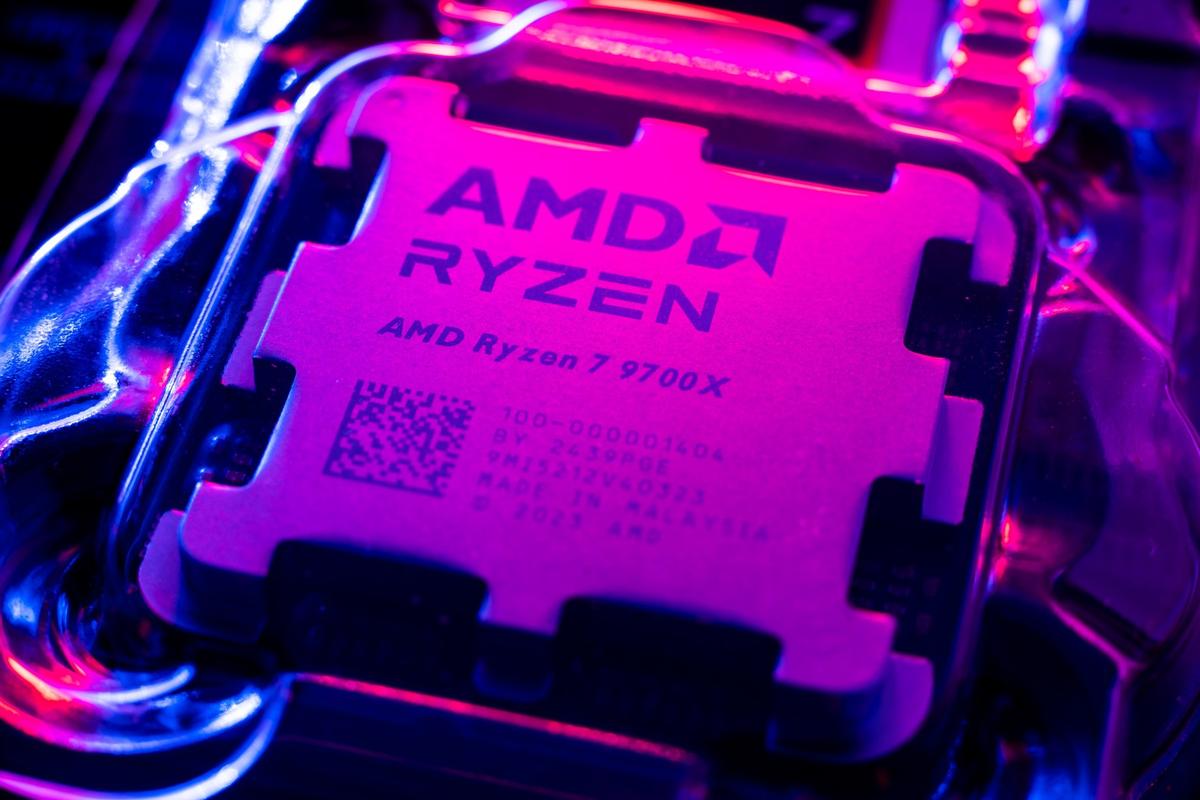




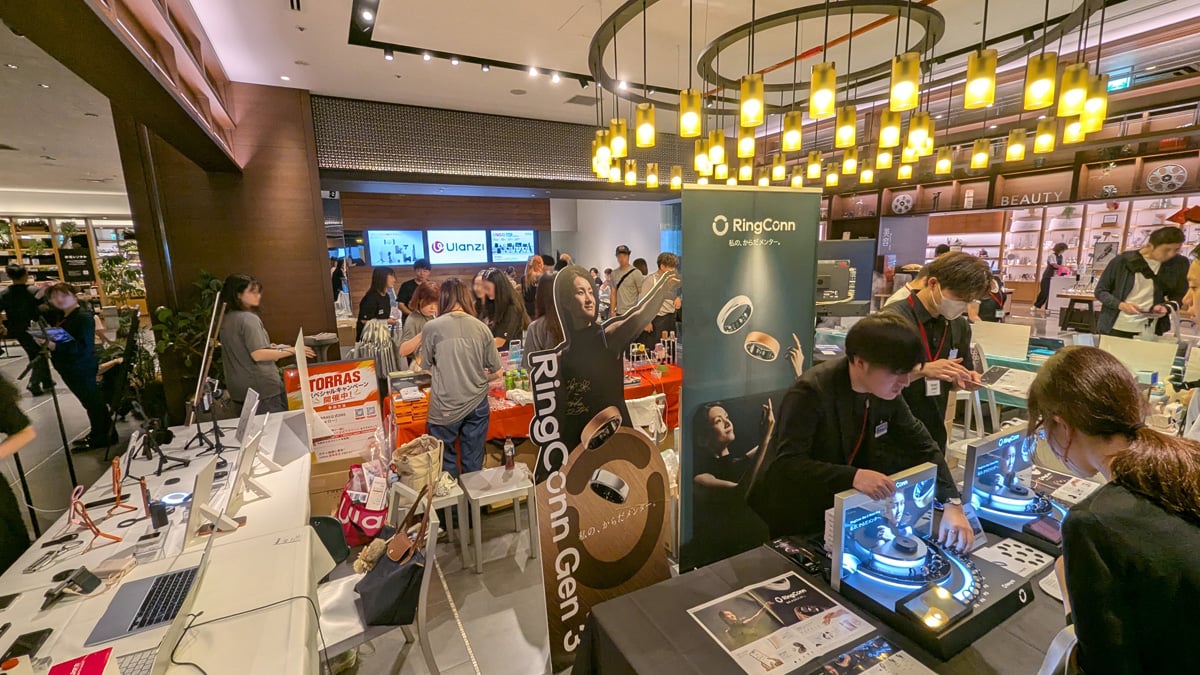 9月19日と20日の2日間、二子玉川蔦屋家電で15ブランドが製品を展示する「ガジェット展示会 2026 秋 Supported by Ulanzi」が開催されました。今年の3月に続く開催で、今回は初の2日間の開催期間に。過去に取材・レビューした製品も含め...続きを読む